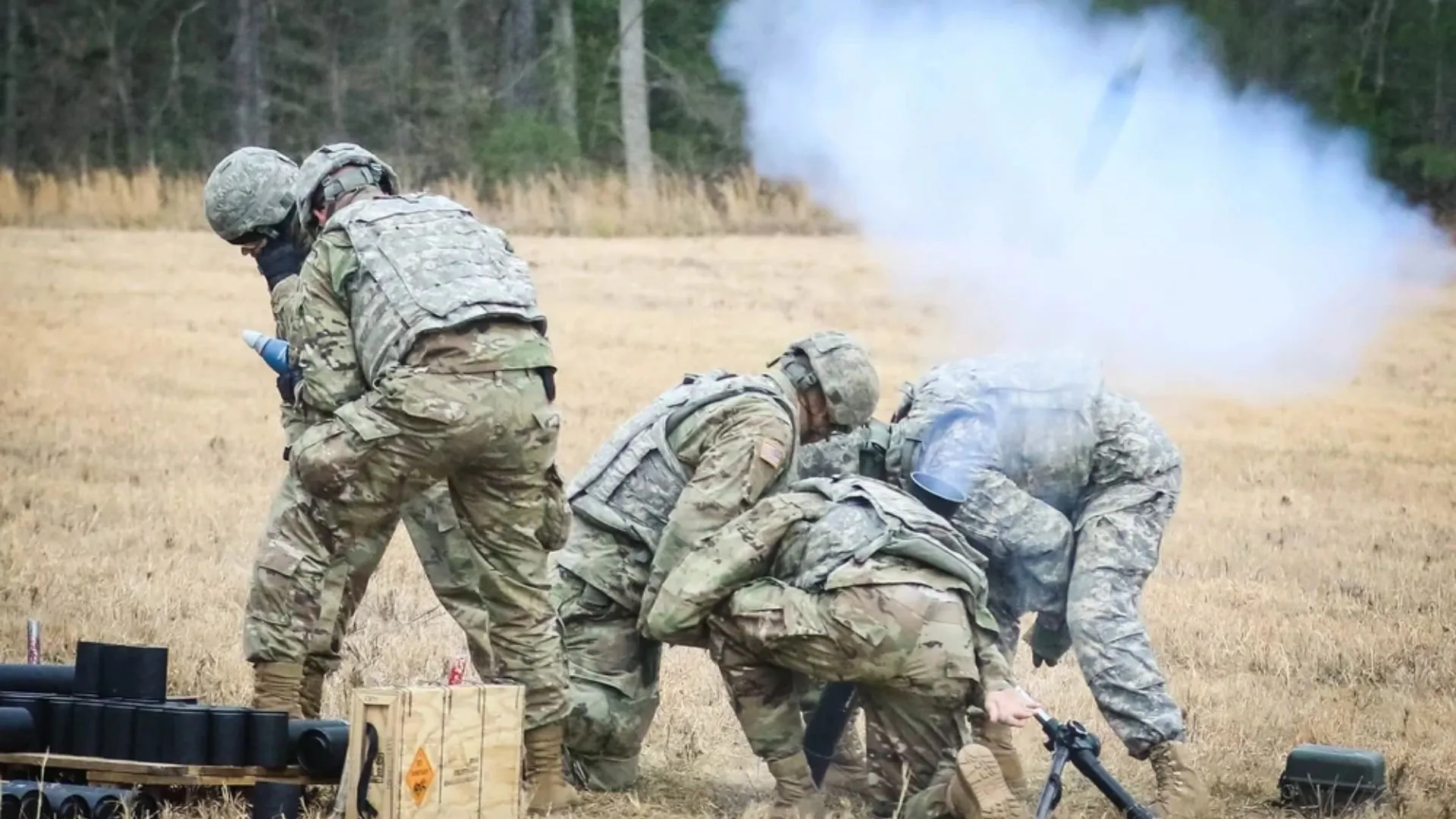
The US Army has developed a new kit that allows unmanned aerial systems (UAS) to deploy standard mortar shells.
The system, called the Munitions Air-dropped Lethal Effects Tool (MALET), was developed by the Army Combat Capabilities Development Command Armaments Center.
It is designed to convert existing 60mm and 81mm mortar shells into drone-delivered ammunition, thereby reducing the need to purchase specialized weapons for unmanned aircraft.
The technology could allow soldiers to make greater use of the ammunition already in their stockpiles.
Mortars fly
The conversion kit enables the use of conventional mortar shells from unmanned aerial systems (UAS), potentially expanding the range of weapons available to drone operators.
MALET was developed by the U.S. Army Combat Capabilities Development Command (DEVCOM) Armaments Center. It is designed to adapt existing 60mm and 81mm mortar shells for aerial use, allowing soldiers to use ammunition already in military stocks rather than relying solely on purpose-built drone ammunition.
According to a statement, work on MALET began in 2024 after specialists from the armament center’s fuze and mortar departments identified an opportunity to adapt existing ammunition for unmanned aircraft. The team wanted to develop a way to deploy conventional munitions from drones without requiring soldiers to make field modifications or manually remove existing safety mechanisms.
MALET is designed as a clip-on conversion kit that adds the fuze functionality and aerodynamic stability necessary to fire a mortar shell from an unmanned aircraft. According to the Army, the integration process is non-destructive, meaning attaching the kit does not permanently alter the munitions underneath. The conversion can also be reversed by removing the attachment and returning the mortar shell to its original configuration. This gives soldiers the ability to use an unspent cartridge as conventional mortar ammunition if it is not dropped or mission requirements change.
The approach could offer military units greater flexibility in managing munitions supplies, particularly when deploying drones that require different payload configurations. Instead of maintaining separate inventories of conventional mortar ammunition and specialized airborne ammunition, the system is intended to make existing cartridges compatible with a different firing method. The MALET architecture could also be applied to munitions beyond the initial 60mm and 81mm mortar configurations.
The integrated product team is exploring additional concepts, although Gorman called some of the possibilities “unique” and said they are largely on hold for now. Mortars were chosen for the first demonstration because the ammunition was relatively sophisticated and tailored to the requirements of larger unmanned aerial systems.
Passes live tests
The Armaments Center has conducted test drops at several U.S. Army installations to evaluate MALET’s performance, including ignition and safety features. The team recently completed a successful demonstration using live 60mm mortar shells. In the test, a drone fired the munitions while the aircraft was moving.
The mortar shells were correctly aimed after being released and detonated within the intended target area. This demonstrated the system’s ability to maintain required flight characteristics and functions after an airdrop.
The testing represents an important step in assessing whether existing mortar ammunition can be adapted for unmanned use without compromising the original design and safety requirements.
The MALET team now plans to distribute the kits during major military exercises in the fall so that soldiers can operate, evaluate and provide feedback on the system. The development effort also included discussions with industrial partners, military users and procurement organizations.
The defense center ultimately intends to validate the technology and share it with industry partners and the Army acquisition community. This approach is intended to support broader production and rapid deployment while allowing engineers to further refine the system based on feedback from Soldiers participating in testing and exercises.
