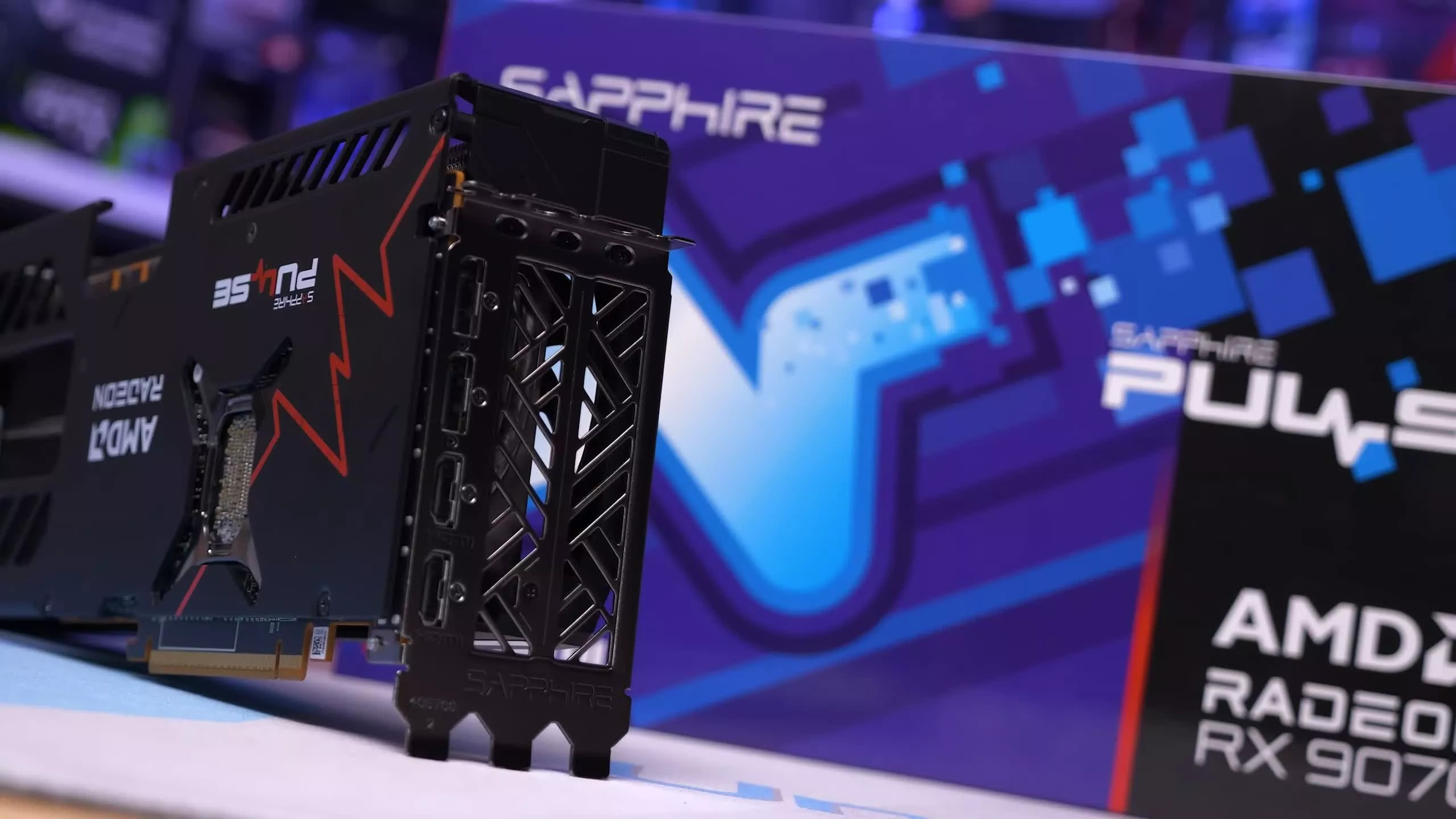
What we know so far: AMD has officially confirmed that a bug in its Radeon GPU drivers triggers a silent background process that continuously writes data to the system drive even when the PC is idle, accelerating SSD wear and potentially shortening the drive’s lifespan. The company added that a permanent fix is currently being validated and will be rolled out as part of the next driver update scheduled for later this month.
The issue, which only affects Windows PCs, has been reported by several users on social media, online forums and official AMD forums for years. Some users have complained that the excessive hard drive activity shortens the lifespan of their SSD by around 1% every month. One user even claimed that their PC lost up to 16% of its SSD health in just over a year due to the bug.
– Tomasz Gawroński (@GawroskiT) November 9, 2026
AMD has confirmed that the issue affects its External Events Utility service, which creates the atieclxx.exe process that is responsible for continuous write activity. The official documentation reveals that the process handles several display-related functions for AMD GPUs, including monitor detection, FreeSync, and Radeon software hotkeys.
According to user reports, the faulty process writes data at speeds between 0.3 MB/s and 5 MB/s to log files stored on the system drive at Windows\System32\AMD\EEUDumps\. If this write activity continues indefinitely, it could potentially generate more than 400GB of data per day, or over 12TB per month, which would place a significant burden on consumer-grade SSDs.
Although reports of unusually high write activity have been circulating for at least a year and a half, the problem came to a head after the Adrenalin 26.10.1 and 26.10.2 GPU driver updates last month. The issue gained further attention after Redditor Darklinkpower posted a number of possible workarounds that users could try to temporarily mitigate the issue.
The most commonly recommended workaround is to disable the External Events Utility service, although this also impacts some display-related features. According to the Redditor, AMD FreeSync will continue to work even after disabling the service, but frame pacing could become significantly more erratic, especially when using Lossless Scaling’s 2x frame generation.
Fortunately, Radeon GPU users won’t have to rely on temporary workarounds for much longer. In response to a complaint on Reddit, AMD representative “Vik” confirmed that the issue was due to a faulty interaction between the External Events Utility and Microsoft’s PCIe filter driver. The company expects to roll out a fix with Adrenalin 26.11.1 later this month.
