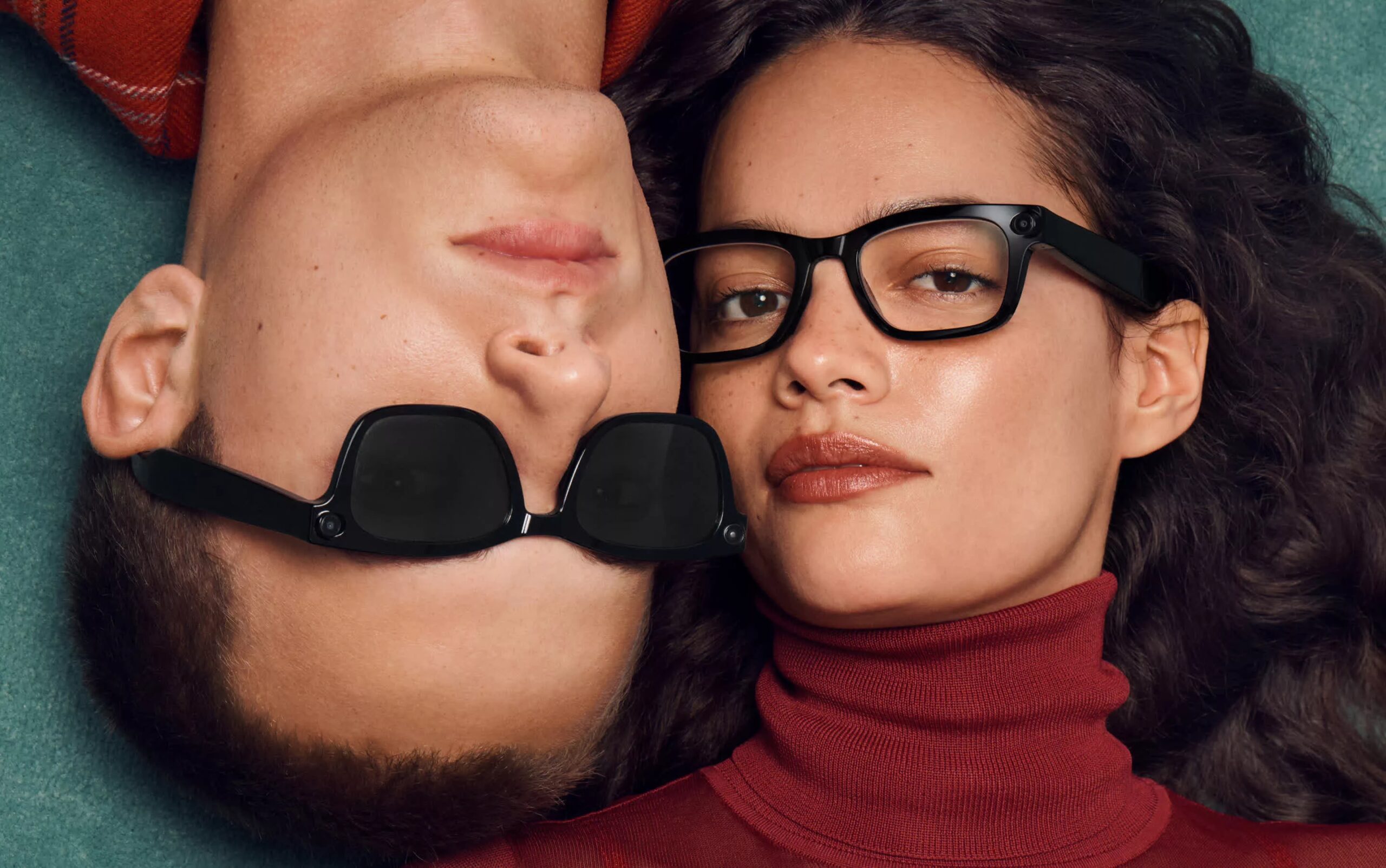
Recap: Google popularized the modern concept of smart glasses with its ill-fated Google Glass project in 2013, which fell victim to fierce opposition due to privacy concerns. While Meta grapples with the same controversy more than a decade later and Apple ponders the issue, Google is going a step further and hoping new privacy guarantees can make smart glasses the next digital trend.
Pre-orders for two new Google smart glasses from Warby Parker and Gentle Monster are now possible. Shipping dates are still unclear, but various colors and styles are available, priced between $400 and $500.
Google’s new Intelligent Eyeware collection runs on the company’s Android XR platform, which mirrors Meta’s smart glass functionality via Google’s AI and software suite. Users can summon Gemini with a voice command, get audio descriptions of what the 12-megapixel camera sees, access detailed pedestrian directions using Google Maps, and more. The company’s new Guided Vision mode also uses audio descriptions to assist blind people.
Glasses from both companies record videos in 3K resolution at 30 frames per second, weigh about 41 grams and feature a Snapdragon AR1 Gen 1 SoC with 64 GB of internal memory and 2 GB of RAM. Battery life is 9 hours on a single charge.
To avoid the controversy that brought down Google Glass 13 years ago and now surrounds Meta’s devices, Google has also highlighted several new privacy features. Gemini encrypts all data, does not store camera images or use them for AI training, and automatically blacks out people’s faces. Users can also control which apps access the camera, clear Gemini history, and turn the smart glasses into regular glasses with a simple off switch.
It remains unclear whether these features address privacy concerns related to smart glasses, which have already been banned in New York courthouses. Norway is also considering temporarily banning smart glasses in parks, beaches and schools until further debate.
Smart glasses have been used in school to cheat, secretly record people and, in at least one case, coach a witness in the courtroom. Meta’s glasses have also absorbed people without the owners knowing. The company recently admitted that the devices could record conversations without receiving voice commands, and data insiders previously reported seeing confidential recordings.
Apple reportedly planned to enter the smart glasses market this year, but delayed the launch to rethink its approach to solving the privacy issue.
