Brain-computer interface company Science Corp. announced today that it has raised $400 million in a late-stage funding, bringing its valuation to $3.5 billion.
The Series D round, announced in a blog post today, was led by renowned venture capital firm Khosla Ventures. There were also the Ackman Oxman Institute, Tenet Healthcare, 885 Capital, Y Combinator and PLC Neurotech. The Ackman Oxman Institute’s involvement is notable because it appears to be one of the brain research center’s first projects after it was founded earlier this year by hedge fund billionaire Bill Ackman and his wife Neri Oxman.
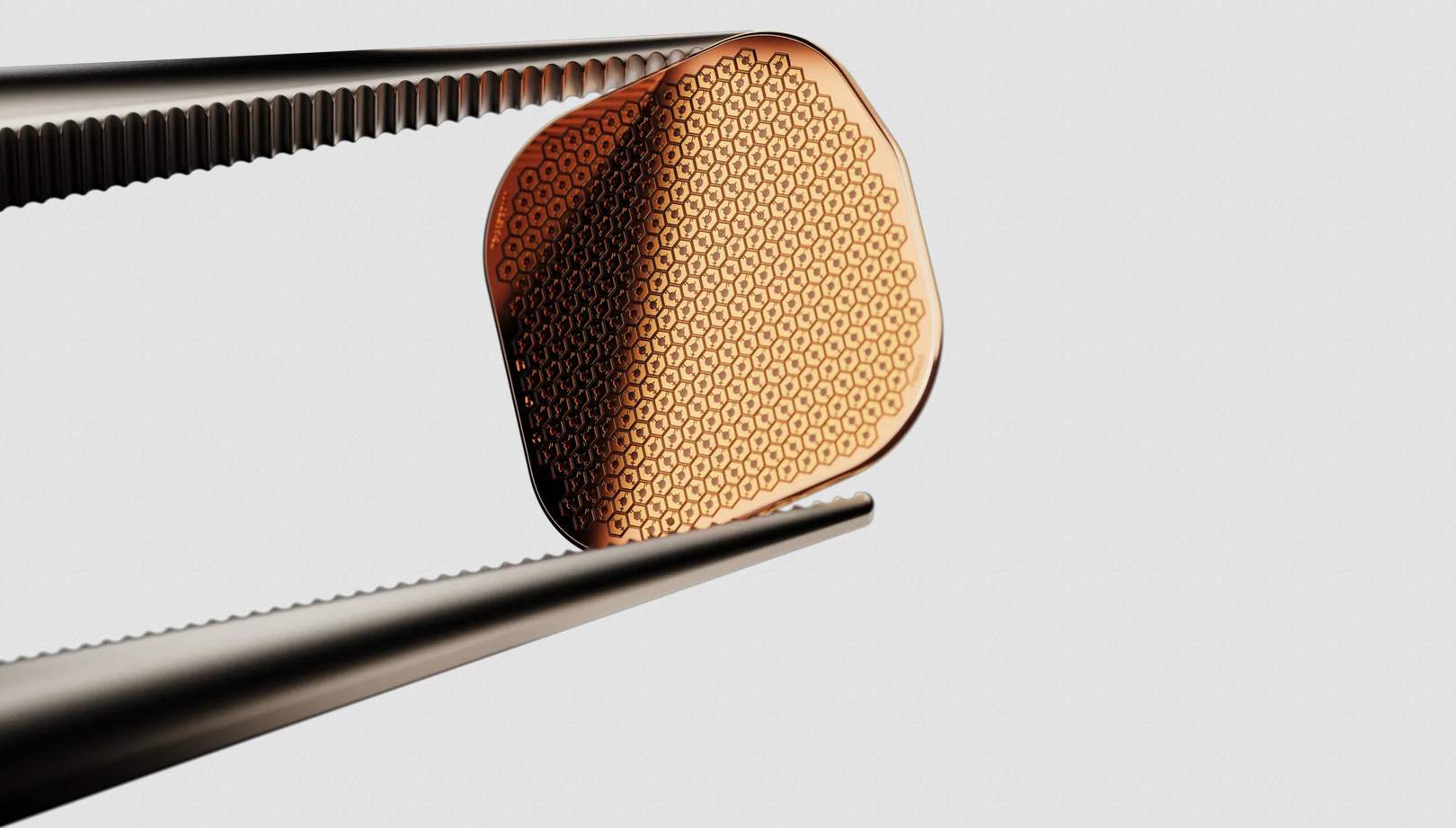
The money from today’s round will give Science the capital it needs to bring its flagship product PRIMA to the U.S. healthcare market after already gaining a foothold in Europe. PRIMA is a special chip that is implanted into the eyes of patients suffering from age-related macular degeneration, or AMD, one of the most common causes of vision loss in older adults. It is combined with special glasses that help restore partial vision in AMD sufferers and has already been approved in some European countries.
For example, PRIMA has already been implanted in the eyes of several patients in Germany, and the company plans dozens of additional surgical procedures to help even more patients restore their vision. Additionally, the device is expected to be available in Italy, France and the UK in the coming months. Science wants to offer PRIMA to patients willing to pay out of pocket for it in a specialist unit at Moorfields Private Eye Hospital in London, but has not revealed how much people would have to pay.
As far as the US is concerned, PRIMA is currently being reviewed for suitability by the Food and Drug Administration. Science founder and chief executive Max Hodak, who previously served as CEO of Elon Musk’s Neuralink Inc., said in an interview with Bloomberg today that he hopes it will be made available to U.S. patients early next year.
That’s because PRIMA is funded through the FDA’s Humanitarian Device Exemption pathway, which allows for rapid approval of experimental medical technologies to treat rare diseases. Although AMD is not uncommon, the company argues that it is rare for the condition to affect both eyes.
In the future, the company plans to also make PRIMA available to treat Stargardt’s disease and retinitis pigmentosa, which also cause blindness.
The PRIMA device consists of 378 pixels, each equipped with a tiny electrode. When infrared light hits a pixel, it activates the attached electrode, which in turn simulates cells in the patient’s retina. The electrodes replace the retinal tissue lost due to disease.
The infrared light that activates the implant’s pixels comes from glasses the patient wears. According to Science, the glasses generate infrared signals based on images from a front-facing camera. The camera, which records the user’s surroundings, has a lens that filters out disturbances such as strong sunlight.
While science is focused on PRIMA for now, its long-term vision is not just limited to restoring people’s vision. The biohybrid implant is also being developed, which creates a direct connection to the brain.
It consists of cultured neurons that are combined with silicon chips and integrated into the brain’s circuits. The company says it has already identified the first disease it plans to treat with biohybrid, but has not disclosed what disease it is.
At the moment the focus is on biohybrid testing. So far only tests have been carried out on animals, but it is hoped to begin the first clinical trials on humans within the next 16 months. To that end, the company has hired distinguished Yale professor of neurosurgery Murat Günel, who previously said the device holds promise for treating Parkinson’s disease and other brain diseases and injuries.
Photos: Science Corp.
Support our mission to keep content open and free by interacting with theCUBE community. Join theCUBE Alumni Trust Networkwhere technology leaders connect, share information and create opportunities.
- Over 15 million viewers of theCUBE videosto spark conversations about AI, cloud, cybersecurity and more
- Over 11.4k theCUBE alumni — Connect with more than 11,400 technology and business leaders shaping the future through a unique, trusted network
Founded by tech visionaries John Furrier and Dave Vellante, SiliconANGLE Media has built a dynamic ecosystem of industry-leading digital media brands, reaching over 15 million elite tech professionals. Our new proprietary theCUBE AI Video Cloud is a game-changer in audience engagement, leveraging the theCUBEai.com neural network to help technology companies make data-driven decisions and stay at the forefront of the industry conversation.
