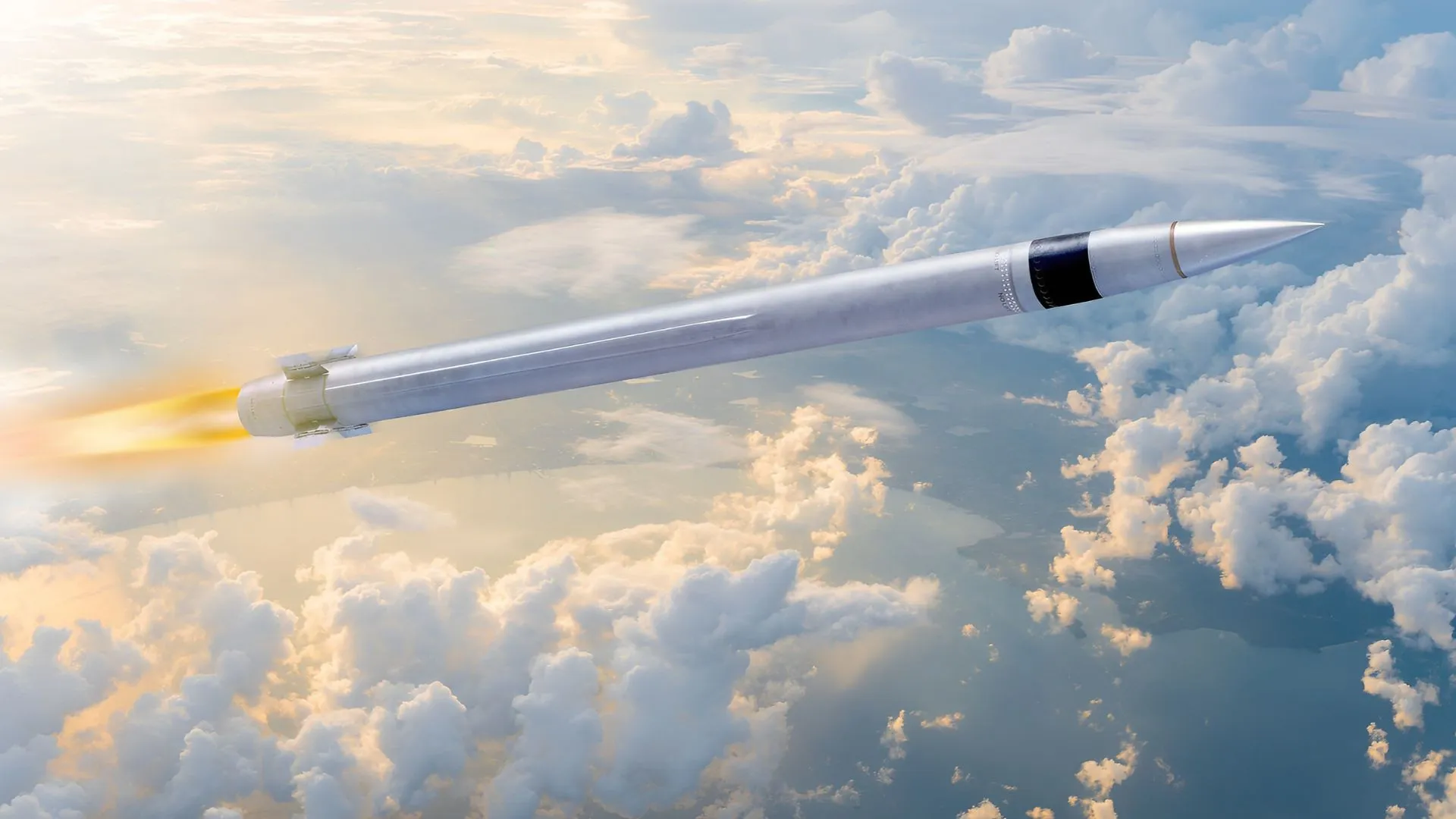
Lockheed Martin has unveiled a new missile interceptor designed to bolster the US Army’s defenses against hypersonic weapons and other advanced airborne threats. Dubbed PAC-3 Edge, the system aims to attack targets from greater distances and altitudes than existing capabilities allow.
The interceptor is based on technology from the combat-proven Patriot Advanced Capability-3 Missile Segment Enhancement (PAC-3 MSE). Lockheed Martin plans to begin testing the new system in 2027, with deployment scheduled for 2031.
The weapon is part of the Army’s Future Interceptor program, which aims to improve protection against increasingly complex missiles. Lockheed Martin has advanced to the program’s next stage of development as the Army evaluates possible solutions.
The new viewfinder ensures precision
At the heart of the PAC-3 Edge is an advanced seeker head developed at Lockheed Martin’s Strigo Product Center. The company says the technology will improve the interceptor’s ability to detect and defeat complex threats.
Lockheed Martin has invested $250 million in the Strigo facility to support seeker development. The investment supports efforts to improve precision and maneuverability as adversaries develop more powerful weapons.
Seeker performance is important because interceptors must identify and track targets while operating in demanding conditions. Hypersonic weapons present unique challenges because they can travel at extreme speeds and maneuver during flight.
PAC-3 Edge also features improved control systems. These changes are aimed at improving performance over longer distances and at higher altitudes, expanding the range of threats the Army can deal with.
The design maintains a connection to the existing PAC-3 family. This approach could help the Army strengthen its missile defenses without sacrificing the technology and infrastructure that already supports its air defense operations.
New drive expands the area of intervention
Northrop Grumman is developing a multi-pulse solid rocket motor for the interceptor. The propulsion system can deliver thrust in multiple stages, helping to maintain control of acceleration throughout the flight.
This capability could give the PAC-3 Edge greater flexibility in tracking targets under various operational conditions. Combined with the improved search and control systems, the engine is designed to improve maneuverability and overall flight performance.
Tim Cahill, president of Lockheed Martin Missiles and Fire Control, said the interceptor builds on the established capabilities of the PAC-3 MSE. He described the PAC-3 Edge as offering greater maneuverability, power and speed. The company expects these improvements to strengthen the Army’s ability to respond to new missile threats.
However, the system is still under development. Tests will be used to determine how the new components work together and whether the interceptor meets the Army’s operational requirements.
Existing starting systems remain central
PAC-3 Edge is designed for use within the Army’s broader integrated air and missile defense network. Planned integration options include the M903 launcher and the Integrated Battle Command System (IBCS).
Lockheed Martin also includes container launchers and HIMARS Flex among the system’s planned integration options. Compatibility with existing and new platforms could give the Army more flexibility in deploying the interceptor.
The weapon would be part of a layered defense architecture that combines various systems to protect military facilities and other critical assets. Its intended mission is to expand operational capabilities against threats that challenge conventional air defense capabilities.
The Army’s Future Interceptor competition will shape the program’s next steps. Lockheed Martin now faces further development and testing before the proposed system can become operational.
If the company sticks to its current schedule, the PAC-3 Edge could enter service in 2031. Its ultimate contribution will depend on test results and the Army’s assessment of its performance against advanced missile threats.