A distributed AI control plane could help applications decide which tasks to run on a device, at the edge, or in the cloud.
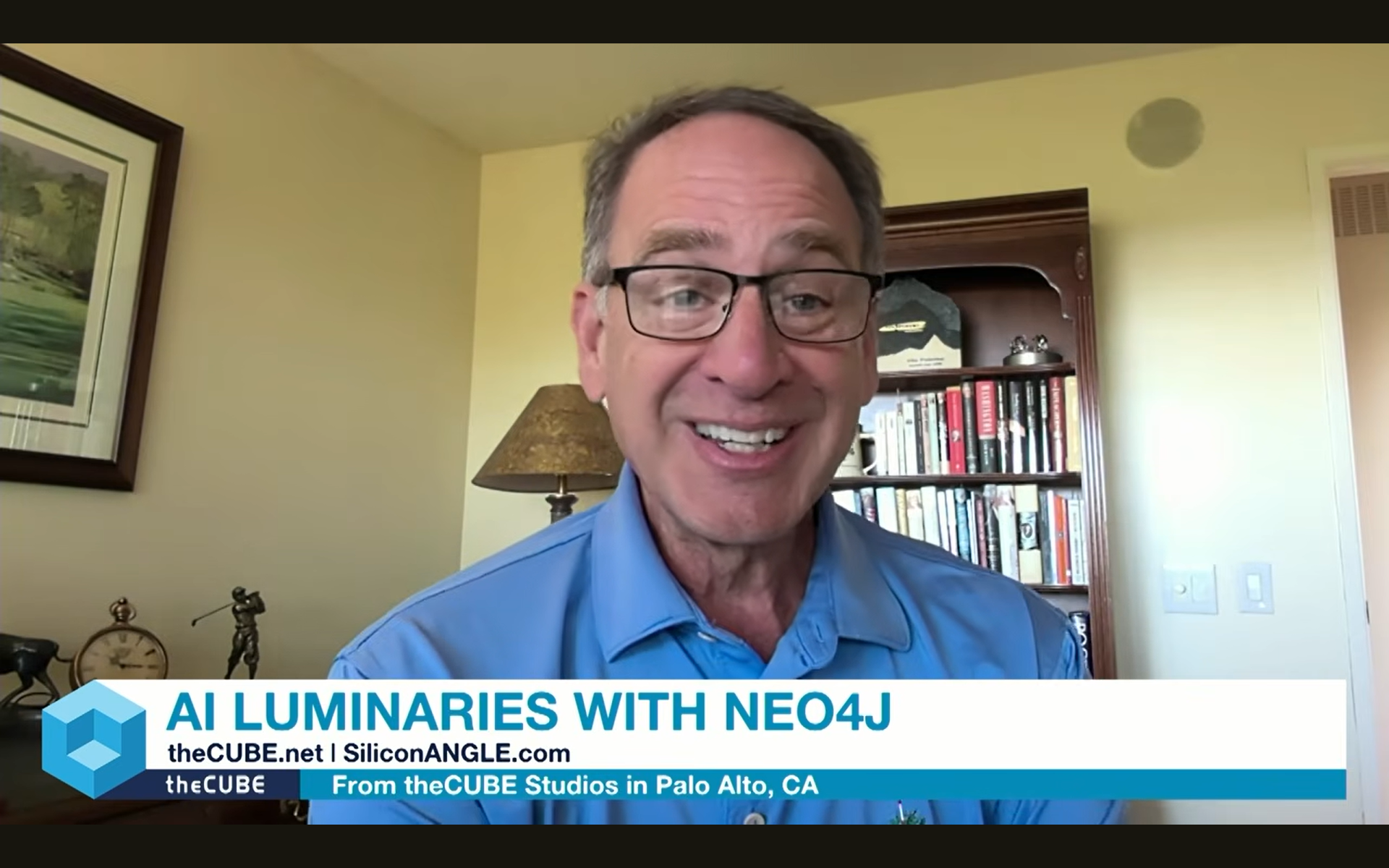
According to Vito Palermo (pictured), founder and CEO of Seismora, Seismora Inc. is developing networking technology to coordinate AI workloads across different vendors and computing environments. The goal is to allow developers to use resources in these environments without building routing logic into every application.
“The AI boom is creating a scenario where we move from human-system communication to machine-to-machine,” he said. “What we are developing at Seismora is an intelligent control plane that allows AI traffic to move across the network, regardless of the network, regardless of who the neocloud or the hyperscaler is, or even the devices themselves.”
Palermo spoke with John Furrier for theCUBE + NYSE Wired: AI Luminaries interview series on theCUBE, SiliconANGLE Media’s livestreaming studio. They discussed the infrastructure required to support AI applications in distributed networks. (*Disclosure below.)
Control plane for distributed systems
Different parts of an AI application may require different computing resources, Palermo said. Seismora’s control plane coordinates work across devices, edge infrastructure and cloud providers.
“In a distributed control plane, the system becomes intelligent enough to say, ‘Okay, based on this user’s intent for this application, here on the iPhone, we can do that.’ For certain parts of it, you might want to create a digital twin with Nvidia [Corp.’s] Omniverse. Let’s do this in a Neocloud. And the control level makes these decisions automatically and also optimizes costs.”
Palermo pointed to Stripe Inc.’s agreement to acquire OpenRouter Inc., an AI model routing platform, as evidence of growing interest in infrastructure for machine-to-machine transactions. The announcement in August was reportedly priced at around $7.5 billion.
“You want to be heterogeneous because honestly, today’s enterprises certainly have multiple Neoclouds that they work with and they have multiple models that they work with,” Palermo said. “My problem is routing across all of these providers, and that’s the focus.”
Seismora calls its approach “cognitive routing”: choosing where to perform AI work based on capacity, cost, latency and policy constraints. According to Palermo, the intended customers are developers building agent applications for end users, rather than consumers themselves.
“We see a world in which, for example [there are] Open weight models from vendors like Fireworks [Fireworks.ai Inc.]”Contextual knowledge from Neo4j,” Palermo explained. “Then, compute and storage need to be distributed across the edge across the enterprise, moving the intelligence where it makes sense.”
Here is the full video interview, part of SiliconANGLE and theCUBE’s coverage of theCUBE + NYSE Wired: AI Luminaries interview series:
(*Disclosure: TheCUBE is a paid media partner for theCUBE + NYSE Wired: AI Luminaries interview series. Neither Neo4j, the sponsor of theCUBE’s event coverage, nor other sponsors have editorial control over theCUBE or SiliconANGLE content.)
Photo: SiliconANGLE
Support our mission to keep content open and free by interacting with theCUBE community. Join theCUBE Alumni Trust Networkwhere technology leaders connect, share information and create opportunities.
- Over 15 million viewers of theCUBE videosto spark conversations about AI, cloud, cybersecurity and more
- Over 11.4k theCUBE alumni — Connect with more than 11,400 technology and business leaders shaping the future through a unique, trusted network
Founded by tech visionaries John Furrier and Dave Vellante, SiliconANGLE Media has built a dynamic ecosystem of industry-leading digital media brands, reaching over 15 million elite tech professionals. Our new proprietary theCUBE AI Video Cloud is a game-changer in audience engagement, leveraging the theCUBEai.com neural network to help technology companies make data-driven decisions and stay at the forefront of the industry conversation.