When I was growing up, every vision of the future featured flying cars. Elon Musk seems determined to finally make it happen.
At a product presentation at a SpaceX rocket development facility in Texas, the billionaire CEO presented a prototype of the long-delayed Tesla Roadster.
The event included high-flying stunts, air-pumping cold engines and a driverless demonstration that was straight out of a sci-fi movie.
“It turns out that there will actually be flying cars in the future,” Musk wrote on X shortly afterwards.
A rocket-powered spectacle
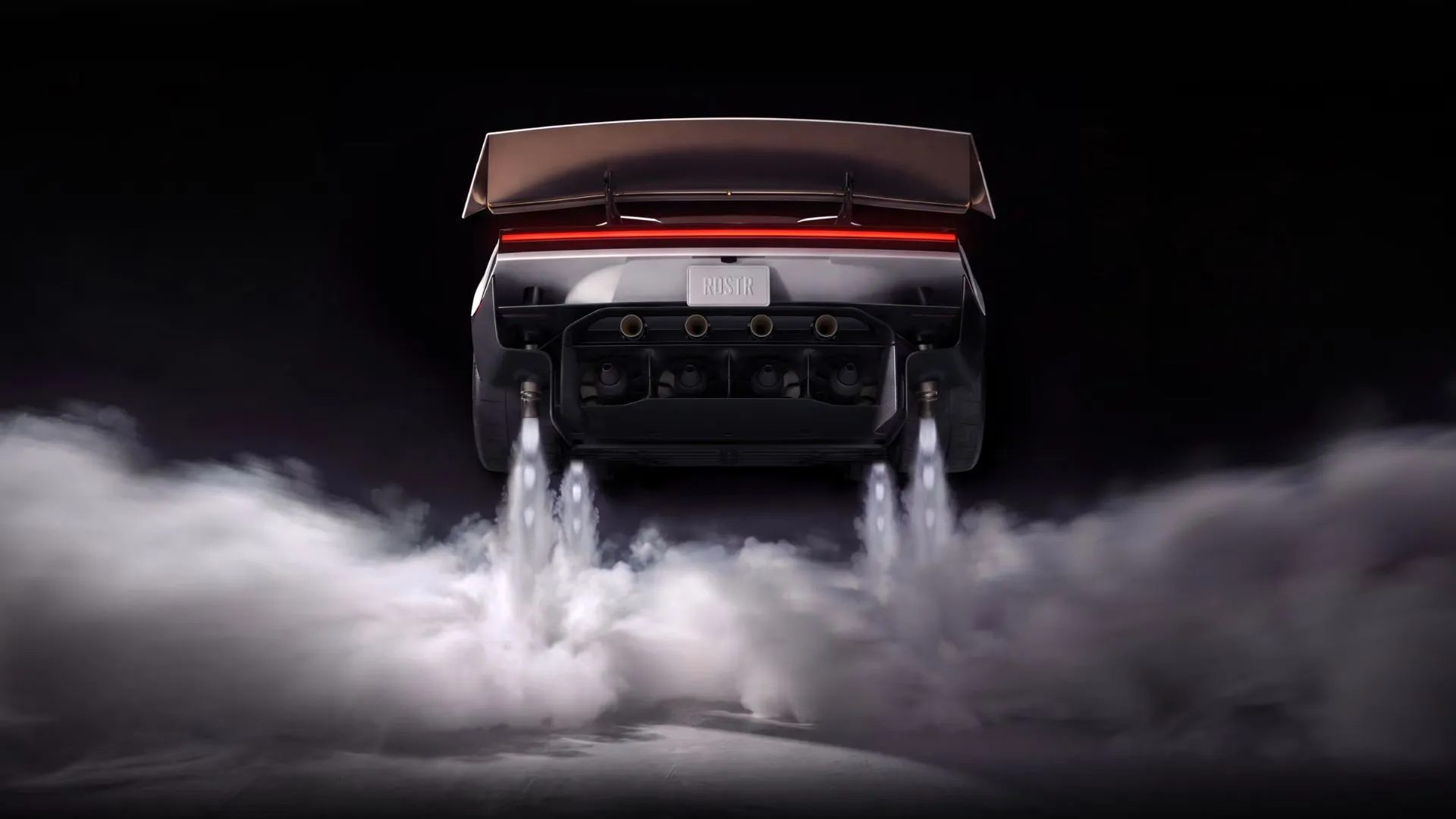
The climax was short, wild and completely experimental. Powered by 10 ultra-high-pressure air jets fed by internal pressure tanks, the prototype used suction from the underbody to cling to a steep ramp, hang upside down and drift. It jumped over a row of parked Teslas, spun in the air, and slowed its fall with blasts of compressed gas before landing safely in a cloud of white smoke.
The specifications sound absurd. Musk claims the production model will accelerate from 0 to 60 mph in under a second – and that’s thanks to rocket engine technology.
“Success is not guaranteed,” Musk told the crowd, explaining that the test ran autonomously for safety reasons. “That’s what I mean. It’ll probably work, but if it doesn’t work, we’re a safe distance away.”
Tesla’s next-generation electric roadster features all-wheel drive, seating for four, 10,000 Nm of wheel torque, a range of 620 miles and a top speed of over 250 miles per hour. Reservation of the standard model costs $50,000.
The upgrade to the Thrust Variant requires a follow-up payment of $245,000 and adds SpaceX cold gas rear engines and a multi-mode active fan system for downforce, reducing acceleration to under a second. An invite-only rocket variant replaces the standard features with a single-seat configuration and circumferential thrusters for real flight, making it not road legal.
The long road to 2028
Although the spectacle was undeniable, aviation experts remain skeptical that the vehicle can serve as both a practical road car and a real aircraft.
Aircraft design emphasizes minimal weight to generate lift and maintain stability. Therefore, heavy components affect performance. In addition, road vehicles use safety features such as steel bumpers and crumple zones to absorb the impact forces during collisions. Heavy safety parts protect cars in accidents, but the extra weight makes flying difficult.
“Something that is a mix of the two is inevitably going to be a low-performing aircraft and a low-performing vehicle, and also quite expensive,” said Roger Conner, curator of vertical flight at the Smithsonian National Air and Space Museum CNN.
Thursday’s demonstration did not show long-range flight capabilities. “We are not talking about permanent flight here,” he emphasized. “We’re literally talking about hops.”
Musk presented the car as a direct result of a collaboration between “the world’s best car company and the world’s best rocket company.” The current preliminary production target has been set for 2028. Still, Musk has a track record of setting optimistic release targets for Tesla products but missing them by years.
Whether drivers will ever be allowed to overcome morning traffic jams remains an open question. Still, watching a sports car fall upside down and land on cold gas jets was proof enough that flying cars from science fiction are making their way onto the runway. Well done, Musk.
