Engineers at an Ontario nuclear power plant have reached a major milestone in rebuilding a reactor core, completing a crucial phase nearly a month ahead of schedule.
According to Bruce Power, its Block Reactor 4 reached the milestone 25 days faster than the previous block. The team assembled all 480 calandria tubes that form the heart of the reactor vessel. Now work begins on installing the fuel channels.
The pace of work comes at a critical time for Canada’s most populous province. Officials expect Ontario’s electricity demand to increase by 90 per cent by 2050.
Increase in power output
To meet this demand, Bruce Power is also increasing the power output of its existing facility. The company has contracted with Siemens Energy Canada to supply new high-pressure steam turbines for all four Bruce A reactors. Engineers will install the machines between 2028 and 2031.
The modernized turbines will run more efficiently. They will generate an additional 30 megawatts of electricity from each reactor without burning any additional fuel. In total, the deal will add nearly 125 megawatts of additional clean electricity to the provincial grid.
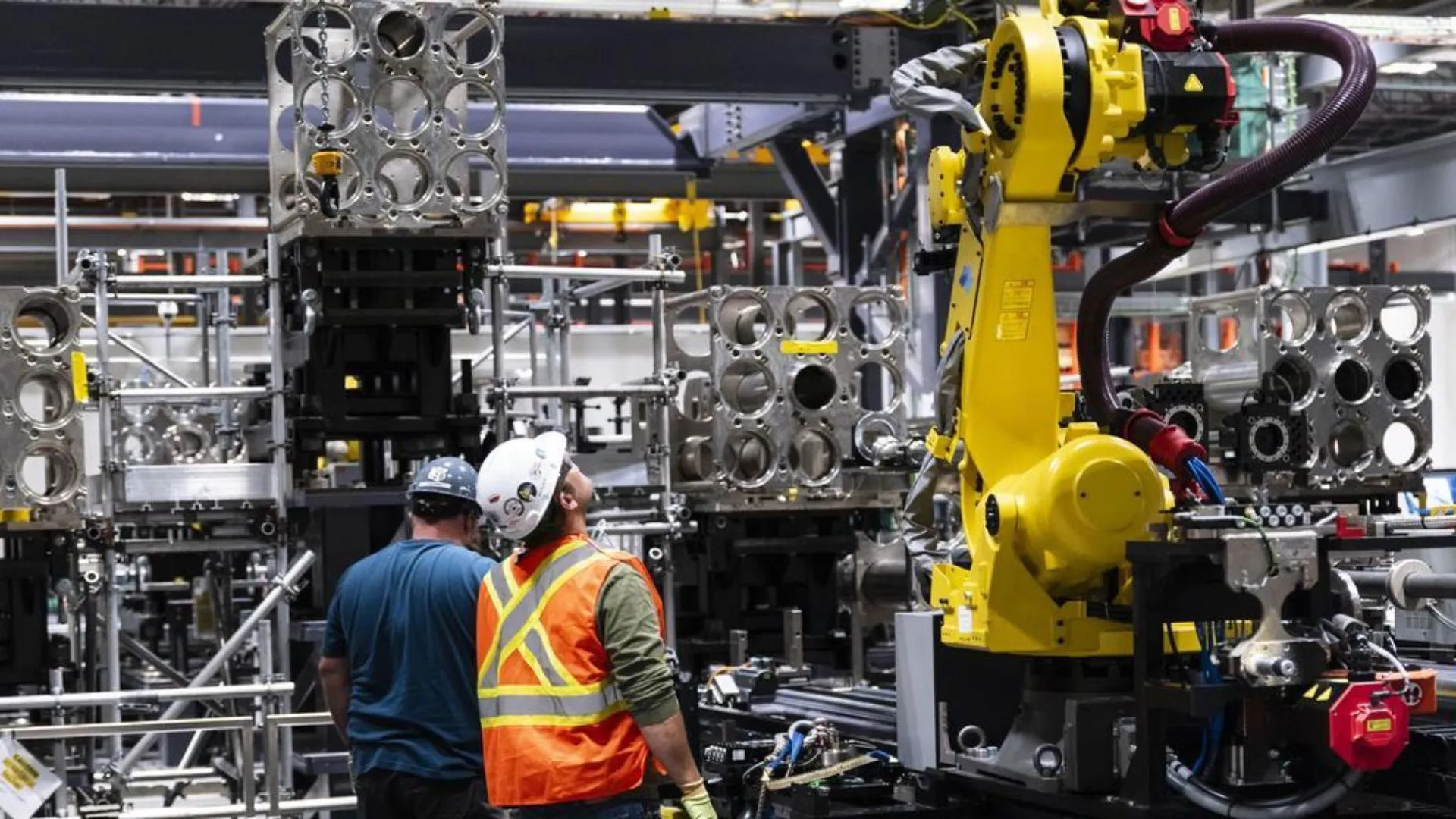
In Unit 4, rapid installation was enabled by advanced automation.
Use of six-axis robotics
Technicians used a state-of-the-art robotic tooling system to seal the reactor components. The machine works on both sides of the reactor at the same time. It slides an insert into each tube and rolls the metal to a precise diameter. This microscopic cold working process seals the connection permanently and leak-tight.
The robot system eliminates the need for manual work in hazardous areas. It protected tradesmen by significantly reducing their exposure to radiation fields.
A domestic partnership built the equipment. Bruce Power developed and tested the tools together with Shoreline Power Group, ATS Automation and Calian Engineering. The team first used the system in the Unit 3 reactor. They then used the lessons learned from this work to accelerate work on Unit 4. In August, the crew set a CANDU daily record by installing 20 pipes in 24 hours, surpassing the previous mark of 16.
Stephen Lecce, Ontario’s Minister of Energy and Mines, praised the project: “Ontario’s nuclear sector demonstrates its global leadership and proven track record of delivering large-scale cleanup efforts on budget and ahead of schedule.” He added that new nuclear projects would create 150,000 jobs across the province.
More than just power supply
Session 4 is the halfway point in Bruce Power’s broader Life Extension program. The multibillion-dollar project will overhaul Units 3 through 8 and bring all six back into service by 2033, providing power to the grid for decades. Units 6 and 3 have already returned to commercial operations.
Engineers will shut down Unit 5 to begin retrofitting in November. Blocks 7 and 8 will follow. The renovated reactors will also support global healthcare.
Eric Chassard, chief executive of Bruce Power, said the plant would provide affordable electricity for decades. He emphasized that the reactors would also reliably supply hospitals around the world with cancer-fighting medical isotopes.
