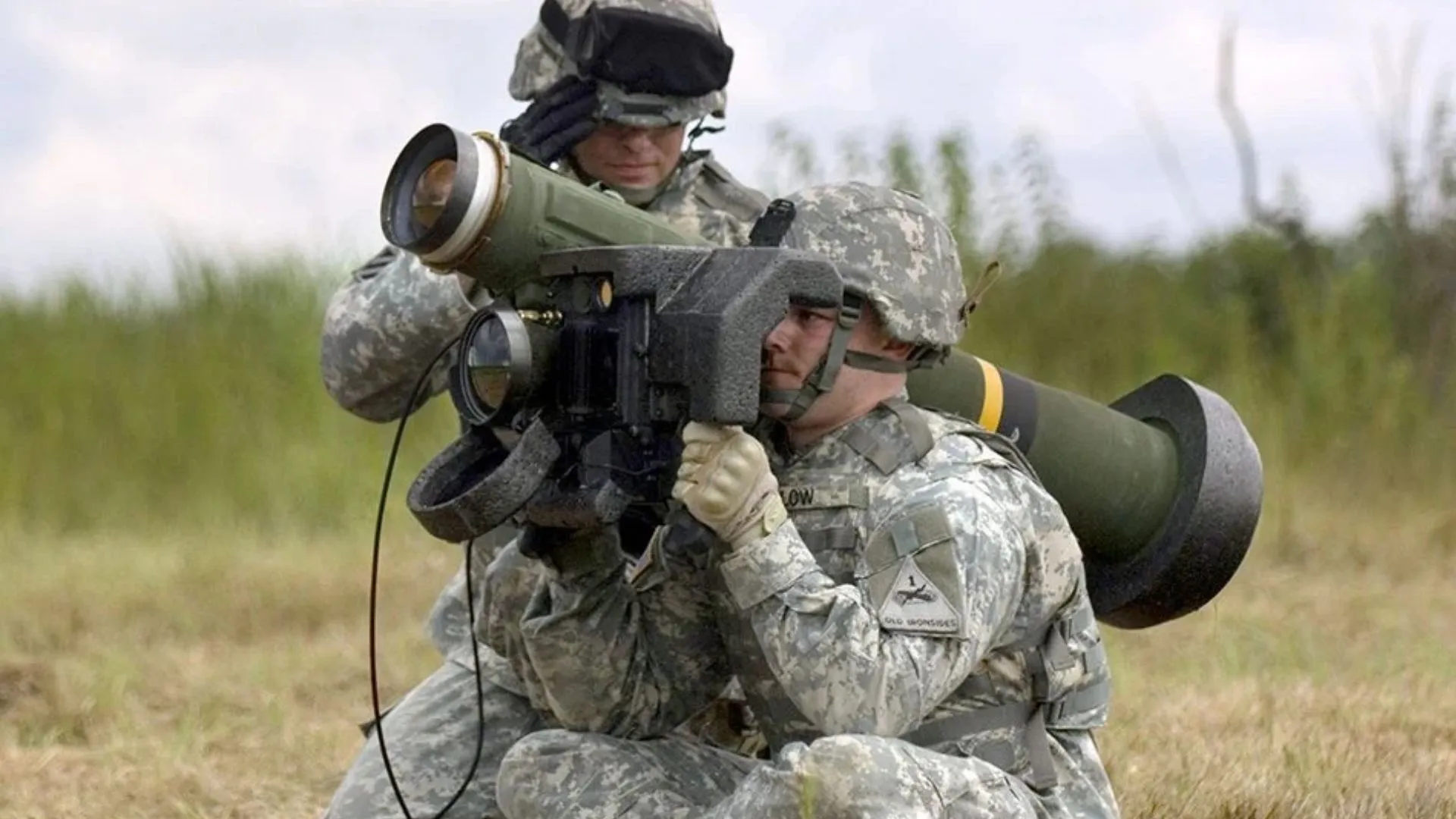
The U.S. Army has awarded the Javelin Joint Venture, a partnership between Raytheon and Lockheed Martin, a $215 million contract to produce a new generation of launchers for its Javelin anti-tank missile system. The Lightweight Command Launch Unit (LWCLU) is designed to provide soldiers with enhanced target detection capabilities in a smaller, lighter package while remaining compatible with existing and future Javelin missiles.
The production contract, announced Oct. 19, comes five months after the joint venture delivered its first LWCLUs to the Army. The new launcher is intended to replace the old Command Launch Unit (CLU) and modernize an important part of a weapons system used by US forces and international customers.
The upgrade focuses on the equipment soldiers use to locate, identify and engage targets, rather than introducing an entirely new missile. This distinction is important because the launcher’s sensors and targeting interface are central to how the Javelin system functions on the battlefield.
Smaller launcher with twice the target detection range
According to the companies, the LWCLU is 30% smaller and 25% lighter than the existing Block I Command Launch Unit. It also doubles the target acquisition and detection range, helping soldiers detect and identify potential threats from further distances.
The launcher is more than a housing for the rocket. It includes the sighting and fire control equipment used to observe the battlefield, acquire a target and prepare the weapon for firing. The LWCLU’s updated sensors, displays and image processing capabilities are designed to provide clearer images and improve target detection, including during night operations.
Weight reduction is also important for the infantry. Soldiers may need to carry the launcher over difficult terrain while moving between positions, so a smaller and lighter unit can reduce physical strain without requiring any modification to the missiles themselves.
This is how the Javelin Launcher works
The Javelin system consists of a reusable command launch unit and a separate missile housed in a launch tube. The launcher provides the operator with the imaging and targeting interface, while the missile has its own guidance system.
Once a target has been acquired and the missile has been fired, Javelin steers to the target using an imaging infrared seeker. This fire-and-forget approach allows the operator to move around after firing rather than constantly controlling the missile. Javelin can also attack armored vehicles from above, targeting their relatively vulnerable topside, or use a direct attack mode against other targets.
The LWCLU is designed to work with past, current and future Javelin variants. This compatibility allows the Army to improve the equipment used to operate the weapon without requiring an entirely new family of missiles.
Production will ramp up after the first deliveries
The contract follows previous investments in the manufacturing process. Raytheon said in May that it had invested $22 million to upgrade its LWCLU factory in Tucson, Arizona, to increase production speed and capacity. The Javelin joint venture also produces the system with Lockheed Martin in Orlando, Florida.
The partnership said it has produced more than 55,000 Javelin missiles and over 12,000 reusable command launch units to date. The latest contract supports the transition from initial deliveries to broader production of the improved launch vehicle.
For the Army, the improvement is a relatively targeted modernization: better target observation and detection, reduced equipment weight, and continued compatibility with an established missile system.
As militaries place increasing emphasis on infantry mobility and rapid target recognition, an upgrade to the launcher could expand the Javelin’s utility without requiring soldiers to learn an entirely new weapon system.
