An unusual nuclear energy project is set to take place in a former ammunition depot in Kansas. Energy startup Deep Fission has signed a major supply deal with the Great Plains Development Authority. The company plans to provide up to 2,000 megawatts of electricity to the Great Plains Industrial Park in Parsons.
The project eliminates traditional above-ground reactor domes. Instead, engineers plan to install reactors in boreholes about a mile below the surface.
The agreement converts a previous letter of intent into a binding commercial contract. Local officials hope guaranteed low-carbon energy will attract heavy industry to the 14,000-acre site.
“Reliable, affordable electricity is what attracts employers to southeast Kansas, and that’s what the companies we talk to are demanding,” said Brad Reams, park director. “Deep Fission’s gravity reactor is designed to provide stable, carbon-free electricity here at the park, and this agreement allows us to offer a long-term energy plan.”
Using a proprietary design
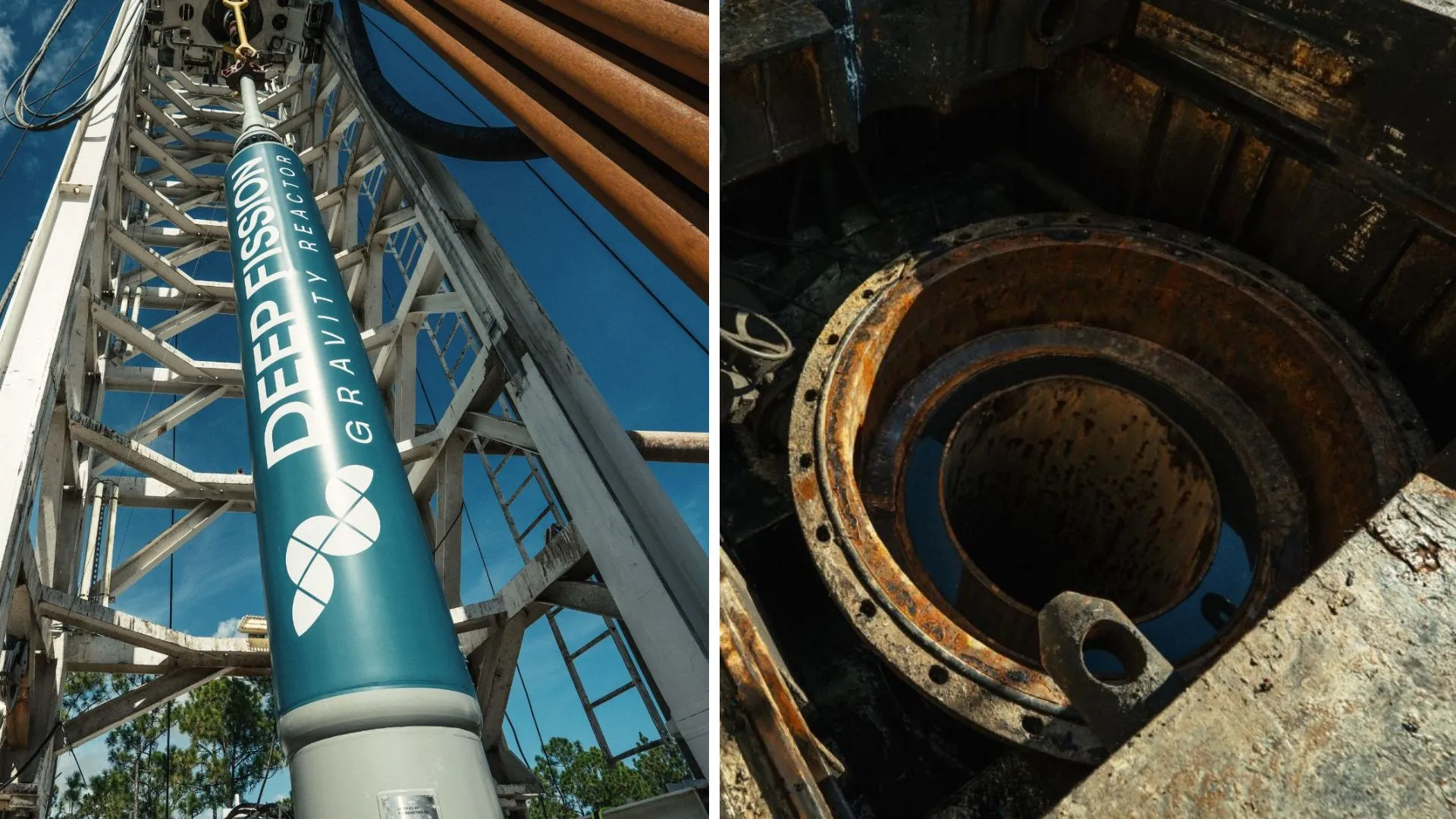
The project uses Deep Fission’s proprietary design, called the gravity reactor. Basically it is a pressurized water reactor. It runs on standard low-enriched uranium fuel, just like commercial plants around the world.
The key difference is the working environment. Conventional reactors use massive concrete containment domes and pressure vessels that keep the cooling water under intense pressure.
Deep fission replaces these mechanical systems with natural geology. The reactor is located in a narrow, water-filled shaft deep underground. At a depth of a mile, the weight of the water column creates intense pressure. This natural hydrostatic pressure keeps the cooling water liquid at high temperatures.
At the same time, the surrounding bedrock acts as a huge radiation shield. The surrounding rock and water also absorb heat and provide passive emergency cooling.
The company states that this layout eliminates the need for large surface structures. By using commercially available drilling rigs, Deep Fission aims to reduce construction costs and speed up deployment.
Testing for commercial rollout
Field trials have already begun. In September, crews lowered a full-size 20-foot canister 100 feet into a test well. The team aligned the unit at depth and pulled it back up to test the operational equipment before drilling deeper.
Parsons began his work as part of a Department of Energy pilot initiative. With the signing of the supply contract, the project now moves towards commercial delivery.
Phase one targets 150 megawatts. Once the license is granted and operational, Deep Fission plans to begin commercial operations by September 30, 2028. Thereafter, capacity will be gradually increased to meet local demand, eventually reaching 2,000 megawatts.
The local government will purchase electricity to meet the energy needs of its commercial tenants. She also has the right to conclude purchase contracts directly with individual companies. The contract does not stipulate a minimum purchase quota for the park administration.
“This agreement turns a shared vision into a binding commitment,” concluded Liz Muller, Managing Director of Deep Fission. “Our approach is to bring the power directly to where it is needed.”
