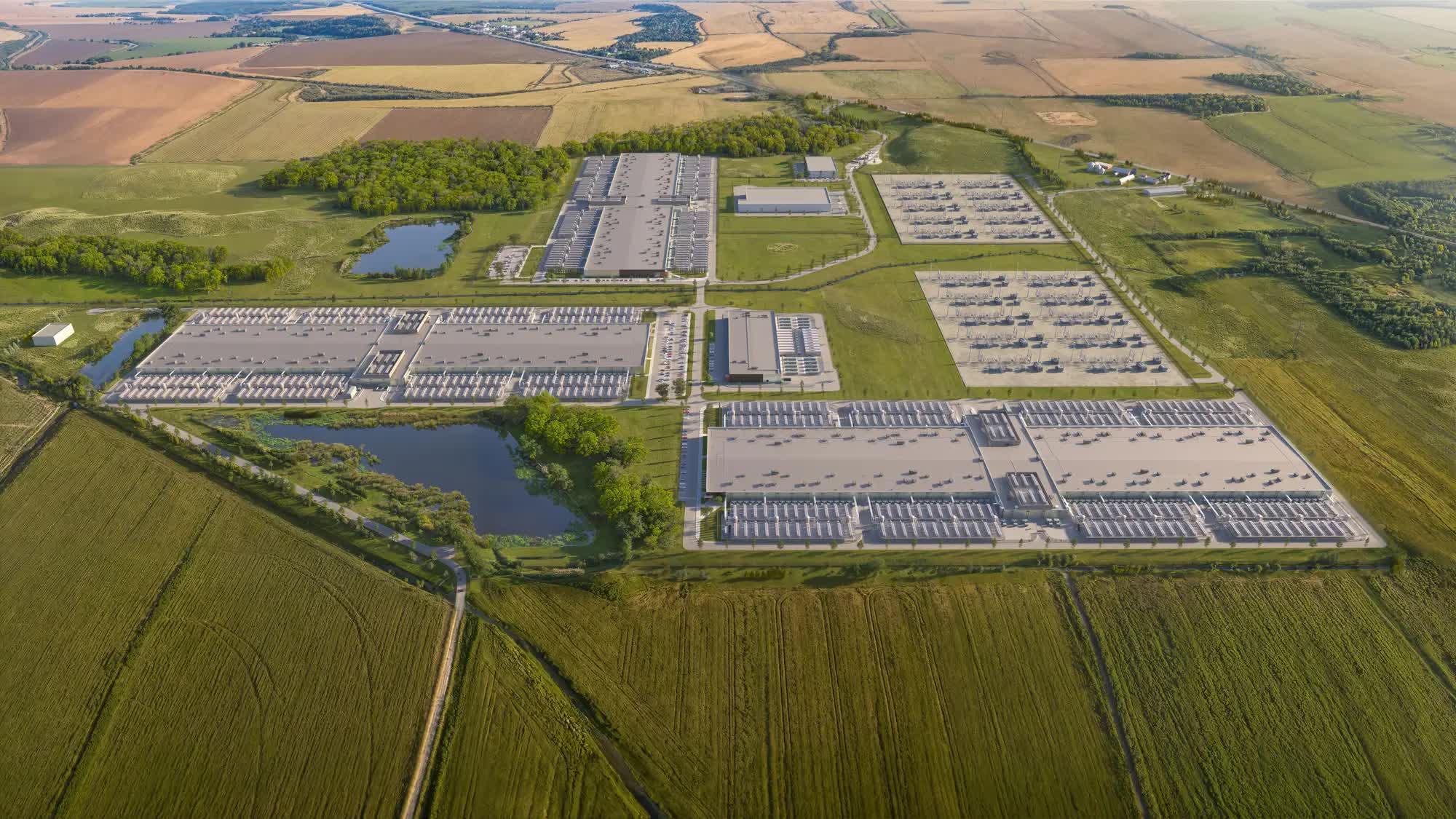
In short: Data centers have already faced widespread opposition over their impact on electricity prices and water supplies, and estimates of how their energy use could affect carbon emissions have increased recently. However, due to uncertainty about renewable energy and how many data centers will actually be built in the next few years, forecasts vary widely.
In a report obtained by Bloomberg, environmental nonprofit Sierra Club estimates that proposed U.S. AI data centers would increase the energy sector’s carbon emissions by 618 million tons between 2025 and 2030, a 42% increase. That number would effectively reverse 15 years of greenhouse gas savings from electricity generation.
Adding that much CO2 would increase the sector’s emissions to 2.1 billion tonnes in 2030. The latest estimate of the impact of AI expansion is between two and four times what the group would have predicted a year and a half ago.
Many of these data centers rely on their own new energy sources so that they do not have to wait for connection to existing networks. While this could reduce the burden on private power grids and electricity prices, these off-grid sources could result in more than 460 million tons of emissions, roughly equivalent to Mexico’s annual emissions.
However, the estimates vary widely: the gap between the lowest and highest forecasts exceeds the combined electricity needs of California and Florida. One reason for this is that renewable energies could cover a large part of the new construction. For example, the Rhodium Group concludes that even in the highest emissions scenario, energy sector emissions in 2040 would fall 24% below 2025 levels.
There is still no guarantee that all currently planned data centers will actually be built.
There is also no guarantee that every planned data center will actually be built. Earlier this year, Sightline Climate estimated that between a third and a half of U.S. data centers scheduled to open this year will be delayed or canceled.
Difficulties in meeting the power demands of AI have already slowed the deployment of data center GPUs. Amazon and other companies are reportedly leaving “dark GPUs” unused until the data centers that will house them have the power to run them.
Amazon’s planned data center in Texas, meanwhile, would be powered by a 7.65 gigawatt natural gas plant that is expected to emit up to 33 million tons of CO2 per year, which could make it the largest single source of CO2 emissions in the United States.
Carbon emissions are just one reason data centers are increasingly controversial in the United States. Residents of communities near data centers often complain about electricity prices, noise, water pollution and impacts on property values.
