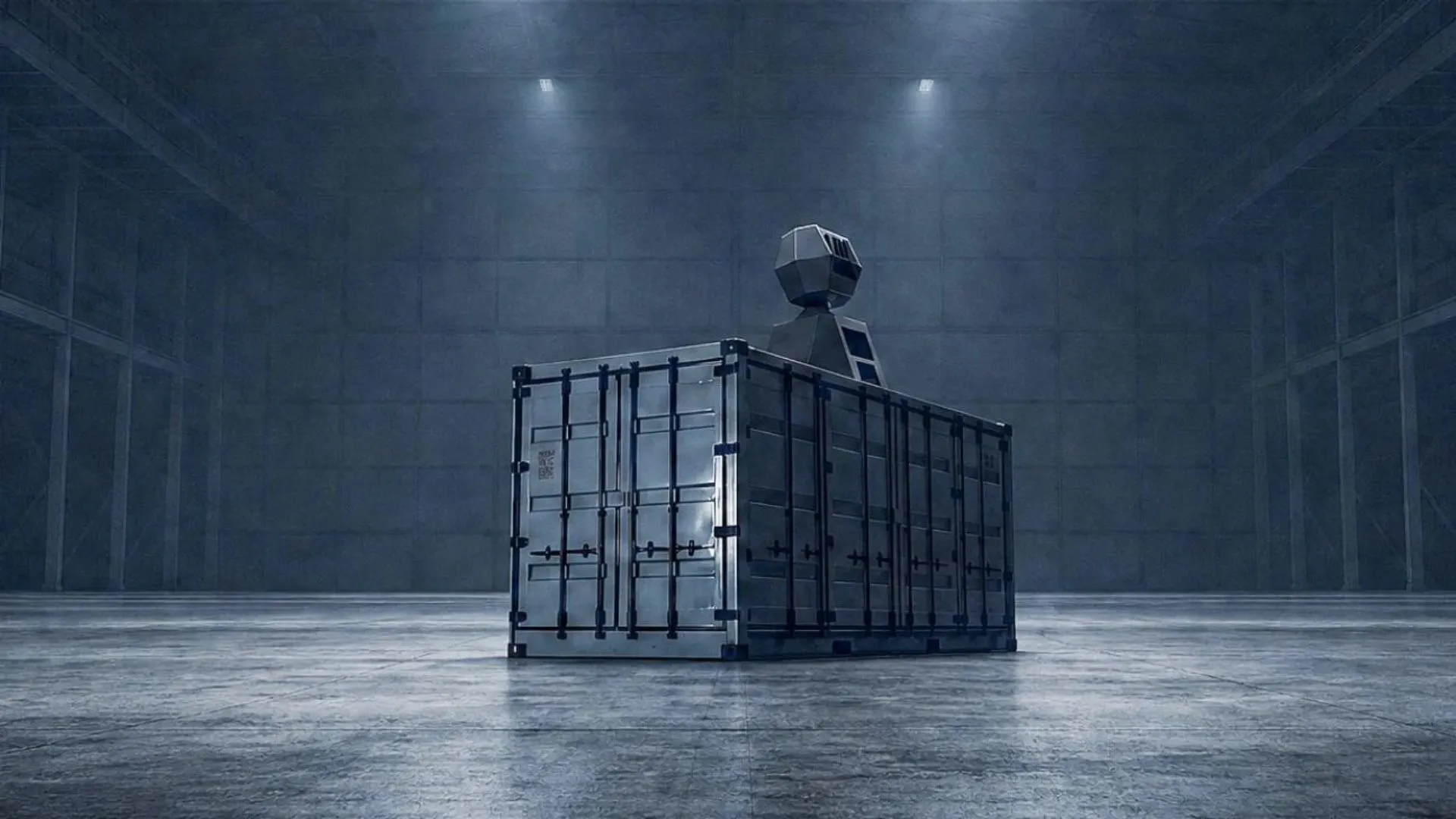
A French defense technology company has unveiled its new containerized naval mission system designed to provide modern naval forces with greater flexibility, mobility and operational adaptability.
Thales’ new Maritime Modular Capability integrates surveillance, reconnaissance, fire control, navigation and communications in a single 20-foot container. The system offers navies a flexible solution to quickly adapt to changing maritime safety requirements.
Unveiled at Euronaval 2026 in Paris, the system reflects the growing importance of modular naval technologies that can be rapidly deployed, upgraded and reconfigured depending on changing mission requirements.
Maritime Modular Capability will provide this flexibility
“The Navy increasingly requires the ability to integrate and update capabilities across the entire lifecycle of a ship. Thales’ Maritime Modular Capability will provide this flexibility,” said Erik-Jan Raatgerink, Strategy Director Above Water Systems, Thales.
The system is a force multiplier that enables navies to expand their capabilities by enabling rapid and efficient deployment, reconfiguration, and improved mission capabilities and efficiency.
With this solution, Thales is contributing to the development of “Hybrid Navy” fleets, where modular, adaptable systems redefine naval operations.
This flexibility could prove particularly valuable for navies operating a combination of conventional warships, smaller vessels and unmanned maritime systems. Rather than permanently integrating each mission capability into a single platform, modular systems allow navies to customize available platforms based on operational needs.
The system integrates advanced sensors for optimal coverage
The system integrates advanced sensors for optimal coverage, including radars, sonars and electronic warfare systems.
The introduction of the Maritime Modular Capability also underlines the growing importance of the Hybrid Navy concept.
Modern naval warfare is increasingly trending toward a combination of conventional manned warships and unmanned or remotely piloted platforms. These platforms can perform complementary roles, providing greater operational flexibility and extending the reach of naval forces.
Modular mission systems could become an important part of this transition by allowing different platforms to integrate specialized capabilities as needed.
The development comes at a time when navies worldwide are increasingly seeking cost-effective and adaptable solutions to address evolving maritime threats. Traditional naval platforms often require significant time, investment and technical modifications to integrate new mission capabilities. Thales aims to address this challenge through a modular architecture that enables the integration of multiple business-critical technologies into a single deployable container.
Thales designed the system to provide additional functionality depending on customer requirements. This means that the initial configuration may be expanded or modified to support different mission profiles and operational requirements.
The approach addresses an important challenge in naval procurement, as warships typically remain in service for several decades while sensors, communications technologies and mission requirements continue to evolve.
The new system provides naval forces with an integrated and easily deployable solution that can be adapted to different operational environments.
