The global energy sector is facing a dual crisis: rising electricity demand driven by artificial intelligence and a looming shortage of mined uranium. The nuclear technology company Nuclea Energy wants to solve both problems using radioactive waste.
Nuclea has completed the acquisition of key technologies and intellectual property from Moltex Energy Limited. The transaction, carried out through its subsidiary Nuclea Energy Canada, meets an important requirement for Nuclea’s upcoming stock market debut.
Before going public, Nuclea must complete its $350 million business combination with NorthStrive Acquisition Corp I. This valuation remains subject to customary closing adjustments, approval of NSAI stockholders, the effectiveness of registration on Form S-4 and a minimum cash requirement of $3 million. Once listed, the combined company will have a portfolio protected by more than 80 issued patents.
To date, Nuclea’s business has focused on its Morpheus microreactor, a 3.5 to 50 MWe lead-cooled unit built to provide off-grid power to remote communities, defense installations and mining sites. Acquiring Moltex’s assets will expand Nuclea into a large-scale grid power company and create a closed fuel cycle in which radioactive waste generates new electricity.
Avoid high pressure containers
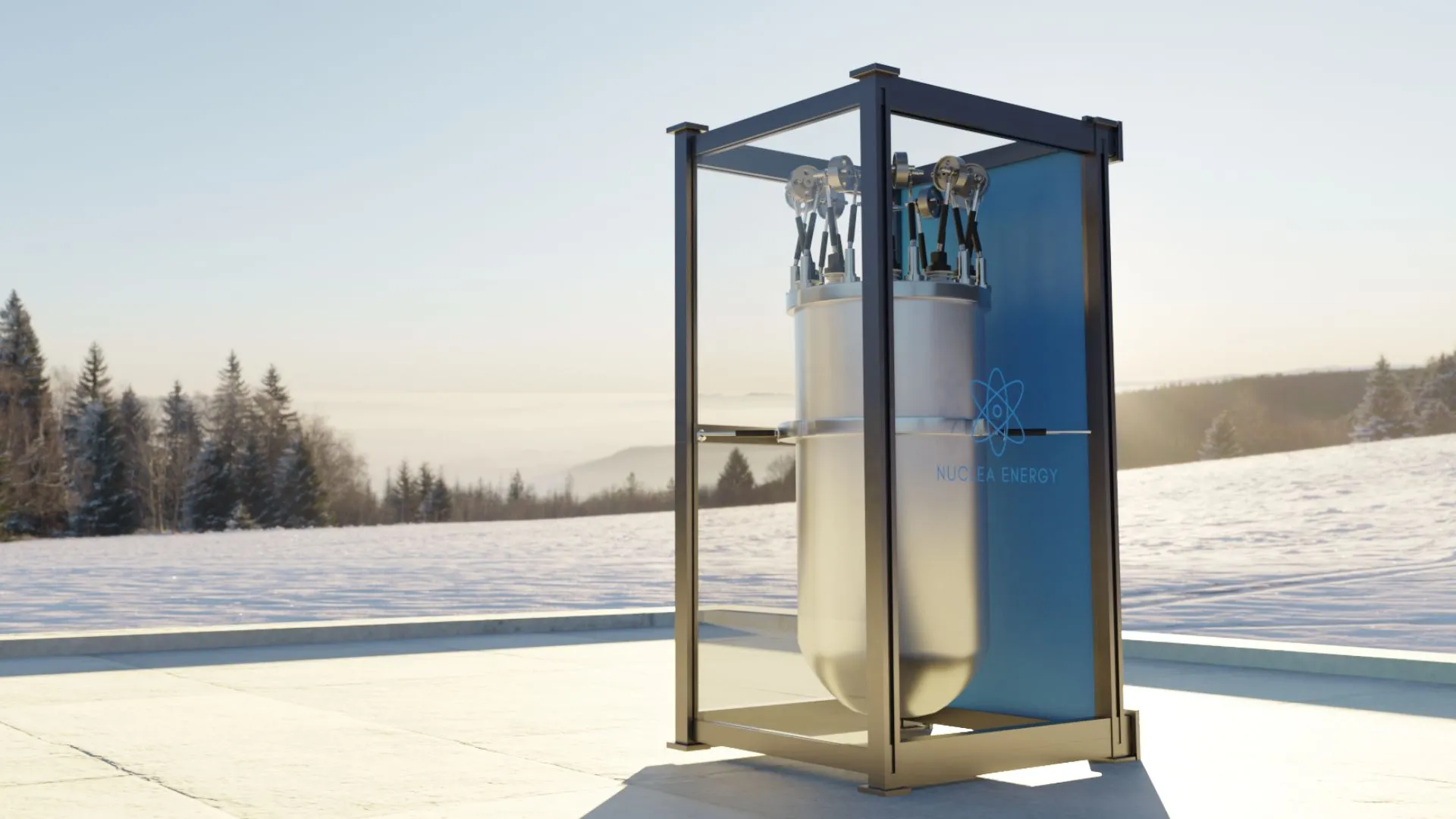
At the heart of this expansion is the Stable Salt Reactor Wasteburner (SSR-W), a 300 to 500 MWe fast-spectrum molten salt reactor built for continuous grid supply. Unlike traditional pressurized water reactors, the SSR-W operates at atmospheric pressure using liquid fuel salts enclosed in standard assemblies.
This architecture avoids high-pressure vessels and reduces complex safety technology. Regulators have already approved the design in Phase 1 of the Canadian Nuclear Safety Commission’s Vendor Design Review.
To power the reactor, Nuclea acquired the WATSS (Waste To Stable Salt) recycling process, which researchers at the Canadian Nuclear Laboratories have successfully tested on real spent fuel. Using a non-aqueous pyrochemical method, WATSS extracts over 90% of transuranic elements from used CANDU reactor fuel and converts them into liquid chloride salt.
This process reduces the volume of high-level waste that needs to be buried deep underground by up to 95%. Because WATSS co-extracts actinides rather than isolates pure plutonium, it eliminates the weapons proliferation risks associated with traditional reprocessing.
Market demand and commercial prospects
The market need for these technologies is growing rapidly. Energy infrastructure requires annual capital investments of up to $2 trillion, but the International Energy Agency expects global electricity demand to grow by 3.1% per year through 2040.
At the same time, the World Nuclear Association warns that production from existing uranium mines will fall by about half between 2030 and 2040. There are now over 95,000 tons of spent fuel stored at 79 sites in the United States alone – a federal burden that is expected to cost nearly $62 billion by 2030.
CEO Josef Freundorfer noted that the introduction of fuel recycling and fast spectrum reactors makes Nuclea a company that no longer just develops microreactors. Chief Executive Officer and co-founder Sagar Sanghera added that the company will now work with governments, utilities and indigenous communities to bring the technology to market.
