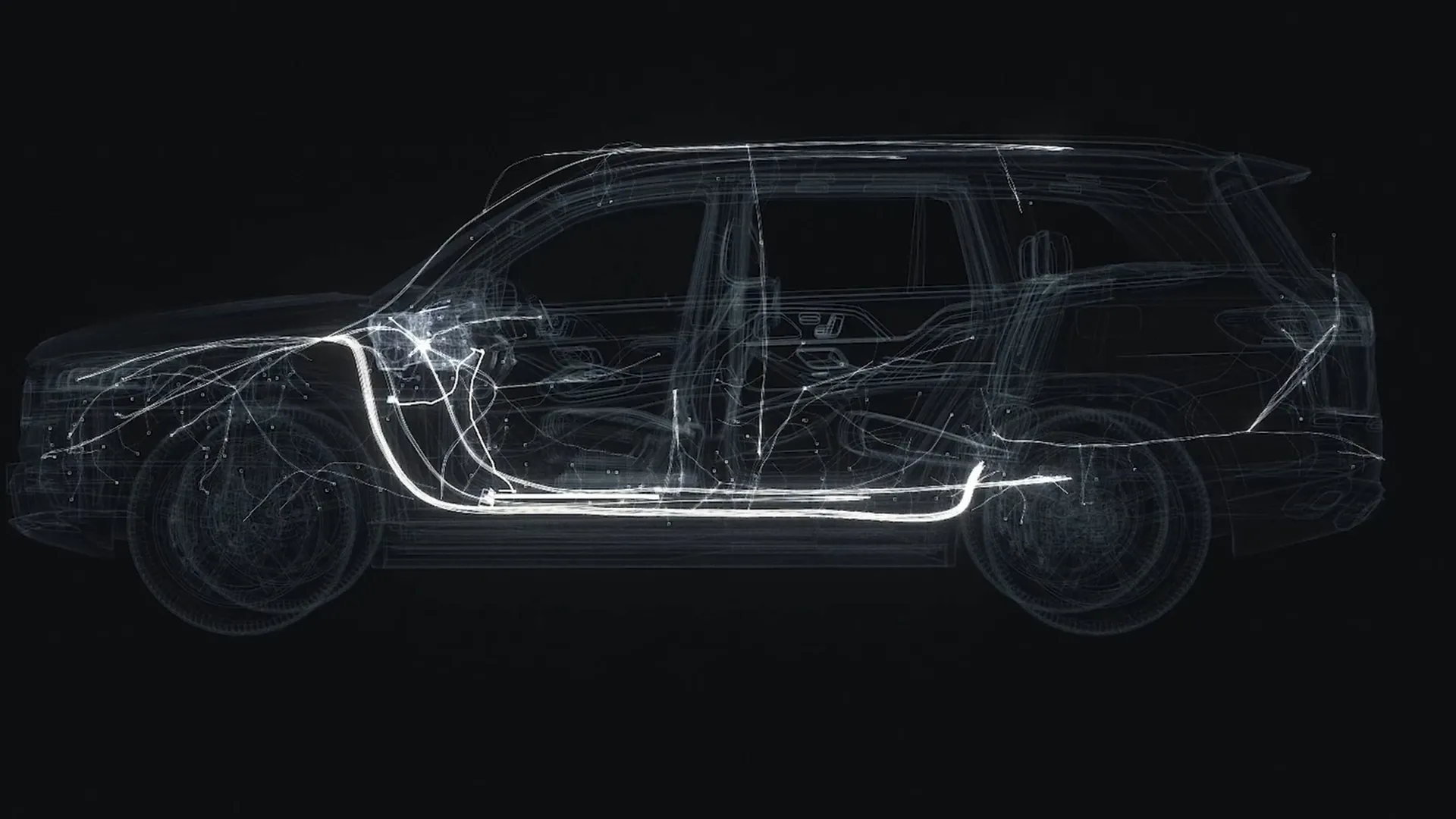
Mercedes-Benz is bringing physics-based computing to its factory repair lines, partnering with Arena Physica to help technicians more quickly diagnose increasingly complex vehicle electrical systems.
The automaker has signed a global agreement to deploy Arena Physica’s Atlas platform, which uses AI agents to analyze electrical and electronic (E/E) systems and identify the most likely causes of failure during production.
Initial testing showed that Atlas helped technicians diagnose and resolve problems 20-30% faster at both new and experienced skill levels, the companies said.
Deployment begins at the Mercedes-Benz Tuscaloosa plant in Alabama, where the system will support production of the new GLE and GLS models. Pilot operations are planned at other Mercedes-Benz locations.
The partnership comes as modern vehicles have increasingly sophisticated electrical architectures, making fault detection and repair more challenging for factory technicians. Mercedes-Benz said the technology is intended to support skilled workers and not replace their expertise.
Atlas maps the electrical systems of vehicles
Atlas combines deterministic and probabilistic thinking to analyze hardware and guide technicians through diagnostic tasks.
At the center of the platform is what Arena Physica calls the Metagraph, a digital representation of a vehicle’s electrical architecture. It maps individual pins, connectors and wires along with their functional meaning and physical location.
Using this model, Atlas analyzes relevant diagnostic and repair data to help technicians identify potential root causes and develop structured repair plans.
The platform also works with a closed optimization process. It alerts engineers to the most likely source of error and then refines its recommendations as new measurements become available.
It also records identified causes and repair results, allowing the system to expand its knowledge base as more diagnostic information is collected.
Mercedes-Benz has integrated Atlas to complement its existing E/E rework assistance system. The platform uses a digital model of the vehicle’s electrical architecture to provide additional diagnostic aids within the company’s established production processes.
Automaker aims for faster repairs
Companies expect the use to improve initial repair rates, reduce repeat work and limit unnecessary dismantling costs. The system could also help onboard new technicians more quickly by making it easier for production teams to access specialized diagnostic knowledge.
“As our vehicles become more sophisticated, so does the expertise required by the technicians on our production lines,” said Jason Hoff, CEO of Mercedes-Benz North America.
With Atlas, the company aims to provide technicians with additional diagnostic intelligence to improve repair speed and precision while maintaining production quality, Hoff added.
Pratap Ranade, CEO and co-founder of Arena Physica, said the platform is designed to capture technical expertise that typically takes years to develop and make it available to engineers across the company.
Founded in 2019 and headquartered in New York City, the company describes itself as an electromagnetic superintelligence company. Its Atlas platform uses physics-based AI to verify, debug and optimize complex hardware throughout its lifecycle.
Arena Physica also works with hardware companies such as AMD, Anduril and Bausch + Lomb.
For Mercedes-Benz, the partnership is part of its broader strategy to introduce AI into production wherever it can support employees and improve customer outcomes. The initial rollout in Tuscaloosa will provide a starting point for evaluating the technology in additional manufacturing facilities.
