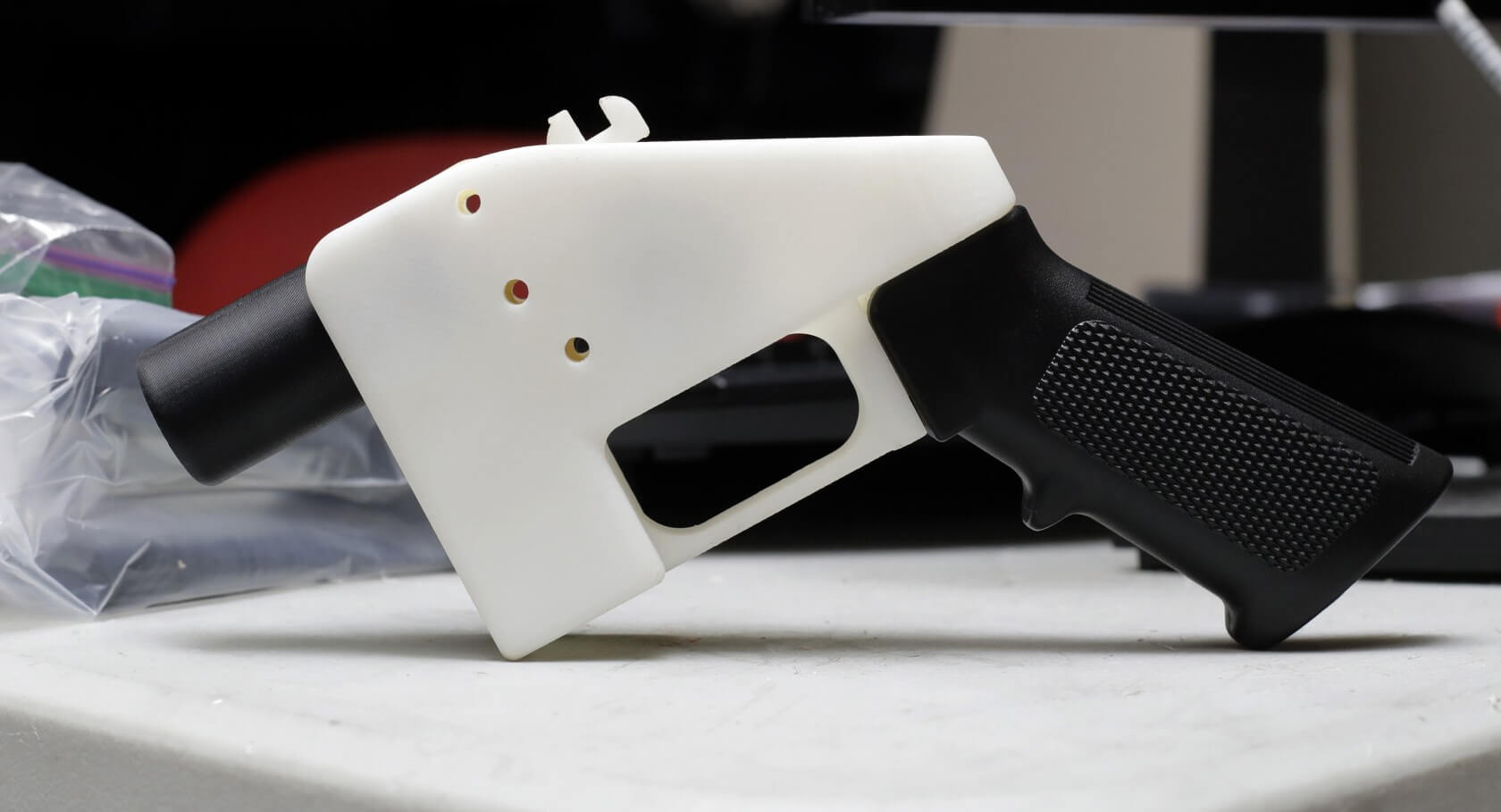
A hot potato: California’s long-running battle against 3D-printed weapons has just resulted in San Diego County suing Polymaker LLC, one of the world’s largest manufacturers of 3D printing filament, on behalf of the state. The lawsuit alleges that Polymaker intentionally markets and sells its filament to Californians with the express purpose of producing illegal ghost guns.
The lawsuit, filed Oct. 5 in San Diego County Superior Court, acknowledges that 3D printing filaments are not illegal. However, it is alleged that Polymaker intentionally marketed its product to ghost gun enthusiasts so that they could convert the filament into a regulated “precursor firearms part.”
Under California law, a firearm precursor part includes an item that is marketed or sold to the public to become, or be used as, the frame or receiver of a functioning firearm after completion, assembly, or conversion.
The complaint adds that Polymaker monetized the ghost gun community by endorsing and hiring Sean Aranda, also known as The 3D Print General. After he was banned from YouTube in 2023 for violations of its firearms policy, Polymaker offered him a position as Head of Customer Experience. Today he is a senior technical account manager in the company.
The lawsuit alleges that Aranda’s hiring was part of Polymaker’s efforts to target 3D printed gun enthusiasts.
The complaint also cites affiliate payments and firearms-themed products as evidence that the company has actively cultivated this specific market for its filaments.
The district is seeking civil penalties, restitution of proceeds from the alleged illegal practices and an injunction. It is emphasized that the lawsuit does not seek to ban the sale of filament in California.
In May, it was reported that California lawmakers had advanced AB 2047, which would require printers to block firearm designs and review them before printing begins. Gov. Gavin Newsom signed an amended version in September, but its requirements are contingent on the publication of an industry standard. This latest effort targets the machines rather than the marketing of their raw materials.
In August, a Texas federal judge declared portions of the ATF’s ghost gun rule unconstitutional and blocked its enforcement against members of the Defense Distributed and Second Amendment Foundation. The federal ruling does not resolve the case against Polymaker because it involves California law.
