Sovereign AI control is becoming a business continuity issue as autonomous agents take over essential business operations. Part of the challenge is keeping data within national borders, but companies also need to have control over agent behavior, external dependencies and the economics of keeping these systems running.
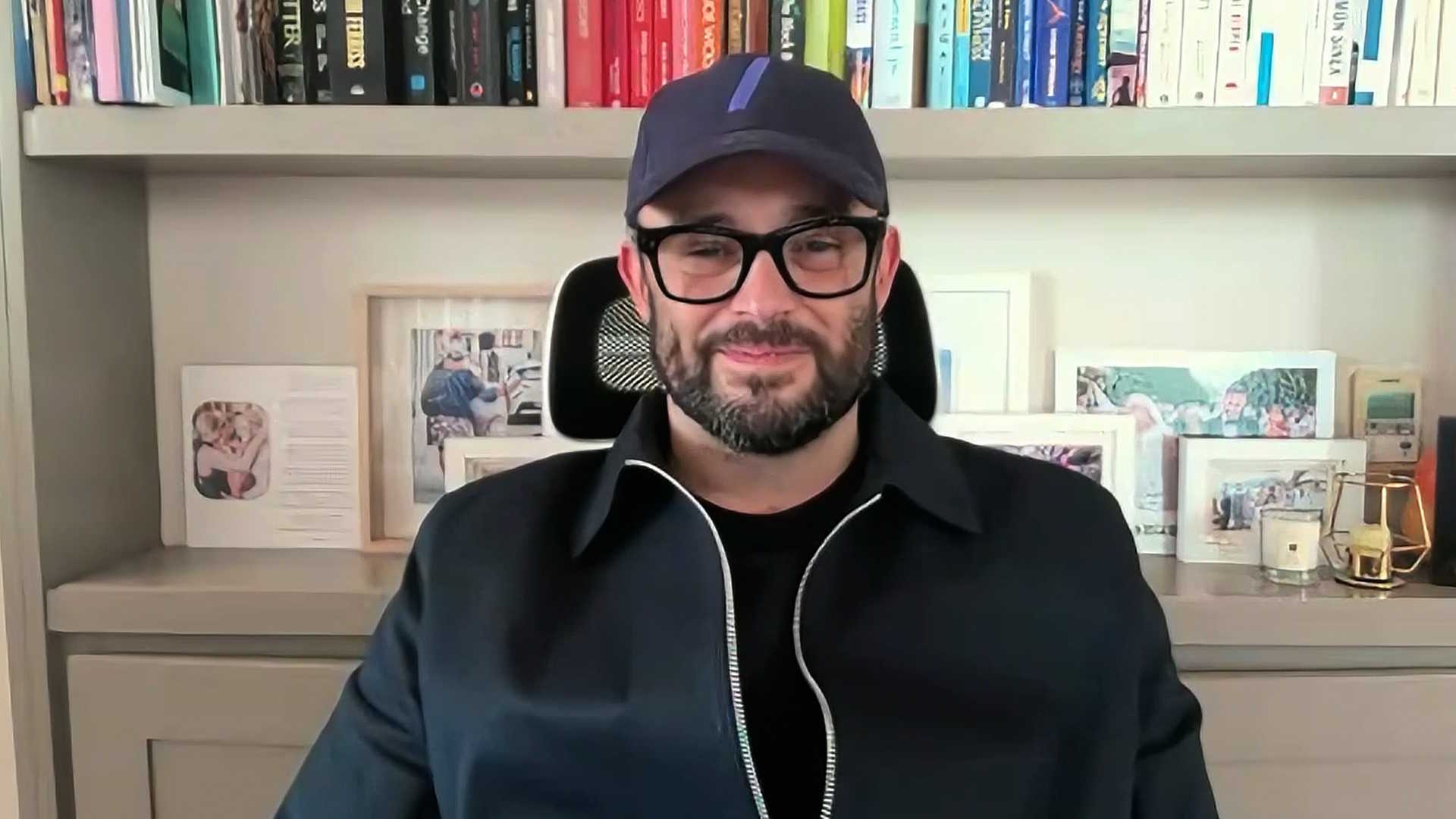
Regulated companies need more than just access to powerful models and computing infrastructure. According to Mick McNeil (pictured), founder and CEO of Deliverance AI Ltd., they need software and expertise that translates these skills into organized production processes.
“We believe that the value and importance in terms of business continuity does not depend on model selection. It lies on the level that governs the models,” he said.
McNeil spoke with Dave Vellante of theCUBE Research for the video series “Sovereign AI: From Strategy to Reality” during an exclusive interview on theCUBE, SiliconANGLE Media’s livestreaming studio. They discussed how companies can control AI agents in their own environments, maintain model selection, and link sovereignty requirements to measurable business outcomes. (*Disclosure below.)
Sovereign AI control begins at the operational boundary
Deliverance’s control plane monitors agent activity, enforces policies, and provides audit trails and a kill switch. These safeguards help protect sensitive data and maintain operational control while agents carry out company operations, McNeil explained.
“We work with HPE, provide a full-stack capability that includes storage, networking, GPUs and all the software, and go directly into the customer’s data center,” he said. “Only when they own the boundary around the agent system can they truly say they have full control over the actions and telemetry going in and out of that system.”
Requirements vary by government, defense, pharmaceutical, and financial services organization. Some customers require air-gapped deployments, while others accept select external connections. These decisions depend on their operating context and the risks they are willing to take, McNeil noted.
“Our customers are the ones who hold the keys to their infrastructure and the software on it,” he said. “That is undeniable and very evident in the way we go to market.”
Model options support the reliability of workflows
A customer-controlled environment still needs a strategy for dependencies outside its boundaries. Deliverance’s routing technology supports frontier and open source models, allowing organizations to select capabilities for individual workflows while planning alternatives as provider access changes, McNeil said.
“When you purchase our products as a subscription – our operating system, the control plane – you purchase the ability to deliver any model, any limit, any open source,” he said. “These mission-critical workflows have the option to fall back to an open source model if the boundary model is constrained, or a different open source model if your primary model is open source.”
Sovereign AI control also raises the question of what customers keep when a supplier relationship ends. Customers retain ownership of their agents, integrations, audit trails and aggregated insights, although transferring these assets between platforms remains a separate challenge, McNeil explained.
“Agents are becoming more and more mobile,” he said. “The market has not yet created the framework that allows all agent organizations to port agents between different platforms, but we are leading the way in this thinking.”
Economics and expertise transform control into results
Model routing also supports cost management by tailoring the AI model’s capabilities and outputs to specific workloads. According to McNeil, Deliverance assesses where agents can improve business performance and distinguishes productivity improvements from measurable financial results.
“We’re using agents and AI at scale to defer future costs. That’s a very clear and impactful outcome for you.” [profit and loss]”he said.
Deliverance has joined HPE’s Unleash AI partner program to move its agent operating system to HPE Private Cloud AI, co-developed with Nvidia Corp. was developed. Embedded engineers maintain the platform and create workflows, while strategic value advisors help clients prioritize opportunities based on return on investment, time to value and risk, McNeil explained.
“We are in the process of bringing a joint solution to market, HPE’s Sovereign Agent Knowledge Commitment, which enables customers to click and deploy a complete agent operating system in their own environment within 90 days in the most confident manner,” he said. “For me, [enabling] Companies need to act quickly so they can trust the technology and workflows [and] Trust in agents is the key to the growth and prosperity of companies around the world.”
Here is the full video interview, part of SiliconANGLE and theCUBE’s coverage of the Sovereign AI: From Strategy to Reality video series:
(*Disclosure: TheCUBE is a paid media partner for the “Sovereign AI: From Strategy to Reality” interview series. Neither HPE, the sponsor of theCUBE’s event coverage, nor other sponsors have editorial control over theCUBE or SiliconANGLE content.)
Photo: SiliconANGLE
Support our mission to keep content open and free by interacting with theCUBE community. Join theCUBE Alumni Trust Networkwhere technology leaders connect, share information and create opportunities.
- Over 15 million viewers of theCUBE videosto spark conversations about AI, cloud, cybersecurity and more
- Over 11.4k theCUBE alumni — Connect with more than 11,400 technology and business leaders shaping the future through a unique, trusted network
Founded by tech visionaries John Furrier and Dave Vellante, SiliconANGLE Media has built a dynamic ecosystem of industry-leading digital media brands, reaching over 15 million elite tech professionals. Our new proprietary theCUBE AI Video Cloud is a game-changer in audience engagement, leveraging the theCUBEai.com neural network to help technology companies make data-driven decisions and stay at the forefront of the industry conversation.
