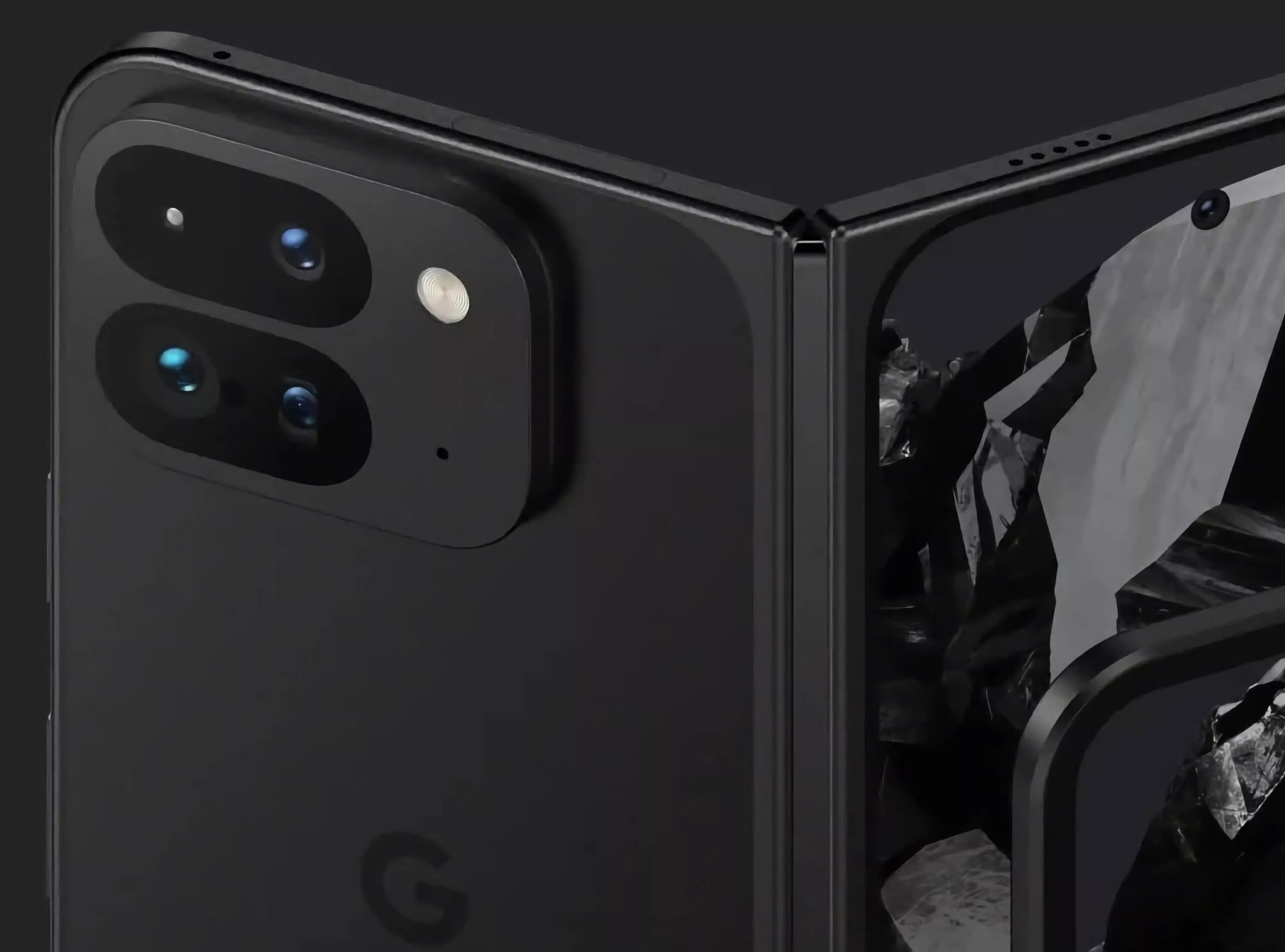
Looking ahead: Foldable devices aren’t exactly taking the world by storm, but incumbent mobile ecosystem providers will still be looking to improve the software experience focused on foldable devices. Meet Google’s latest quality criteria, which will essentially force developers to better support foldable devices even if they didn’t plan to.
Google recently released the new “adaptive quality standards” that Android developers will have to adopt in the next few months. The change affects apps published to the Google Play Store, with a focus on improving support for the latest foldable devices for Android.
Google said that customers would pay a premium for their brand new foldable devices and would therefore expect a similarly high-quality app experience. Developers simply need to adapt or risk being demoted in Google Play’s app advertising programs.
The main requirement is that apps must meet the “Tier 3” baseline in Android’s official adaptive quality guidelines. Tier 3 apps are “adaptive ready” experiences, meaning they must completely fill the display area of a foldable device without letterboxing effects or compatibility modes. Additionally, Tier 3 apps must maintain text or playback state when rotating or folding while supporting multi-window environments.
The Android foldable guidelines also cover “adaptively optimized” (Tier 2) and “adaptively differentiated” (Tier 1) apps, which are intended to provide an even better experience on foldable devices. Starting in April 2027, all new app releases will require the Tier 3 baseline. Developers must also provide at least three screenshots showing their apps on foldable devices, in addition to the standard phone screenshots.
According to Google’s official timeline, Tier 3 enforcement is already in effect today. Developers can add their foldable screenshots via the Google Play Console, while Tier 2 and Tier 1 apps can access “expanded merchandising” options in the store. In April 2027, all “standard” apps must support the new adaptive baseline. Older apps that have not been updated will still be available for download, although they will likely be far less featured in Google Play’s app promotion plans.
Google said developers can view the new design requirements and guidelines in Android’s official online documentation. The Mountain View giant will enforce the additional foldable requirements for gaming apps starting August 2027. Updated apps must also target Android 17 API level 37. Finally, the company is already working on its future plans to improve app adaptability on tablets, Chromebooks and other large-screen devices.
