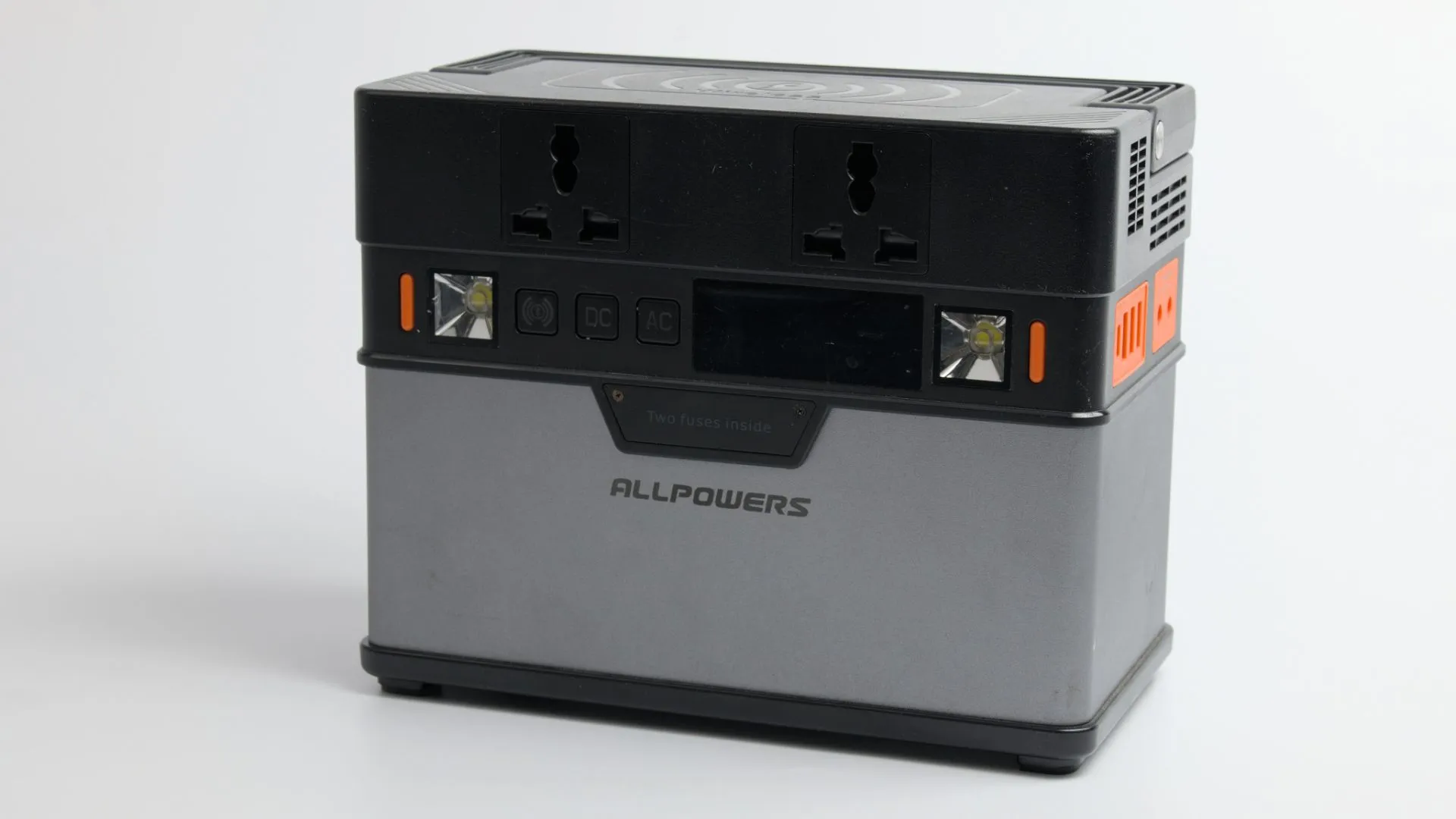
A power outage forces households to decide what needs power first: the refrigerator, a few lights or the heater. Both a home battery and a portable power station can provide stored energy, but they differ in how they deliver it and how much installation effort they require.
For households that choose backup power, the decision depends on what equipment needs to be powered, how long outages typically last, and whether the system needs to operate automatically.
A portable station can be suitable for select devices, while an installed home battery can support circuits throughout the home, depending on its configuration.
How the two systems provide emergency power
A home battery is connected to the household electrical system via an inverter and associated control devices. In a backup-ready installation, this device disconnects the home from power during a power outage and powers specific circuits from the battery.
Depending on the system design, coverage may include selected essential consumers or the entire home.
A portable power station combines battery storage, inverters and sockets in a single unit that powers devices directly connected to it. This makes it useful for powering individual devices without having to install a permanent battery system.
However, the distinction is becoming less and less strict. Some larger portable stations support expansion batteries and can be connected to household circuits via compatible transmission devices.
Therefore, buyers must compare the actual configuration. A portable device that connects to a home panel requires different device and installation requirements than a device used solely to charge phones.
Capacity determines runtime while performance limits appliances
Two specifications are important: energy capacity and power output. Capacity, measured in watt-hours or kilowatt-hours, indicates how much energy the battery can store. The power, measured in watts or kilowatts, determines how many load devices can be operated at the same time.
The California Air Resources Board emphasizes that backup batteries must be sized for both demand and runtime.
Consider a simplified example: a battery that delivers 1 kilowatt-hour (1,000 watt-hours) to devices could support a constant 100-watt load for 10 hours. Actual runtime depends on conversion losses, available charge and device cycle.
Starting demand also plays a role. A refrigerator or pump may temporarily require more power when its motor starts. Compare the backup system’s continuous and surge ratings to the equipment it needs to power.
A larger battery does not automatically mean that all devices can run together. Tesla advises Powerwall owners to manage high-power devices during outages, as total demand may exceed the system’s power rating. Reducing these loads also extends runtime.
Which option makes more sense?
For a renter or a household that experiences occasional short outages, a portable station is a practical starting point when a few important plug-in devices are needed. Compare purchase price, usable capacity, performance, weight and charging options.
An installed home battery deserves a closer look if automatic backup power and hardwired devices are a priority. Compare complete installation quotes, including electrical work and backup inspections, not just battery prices.
During extended power outages, charging is crucial. Both options will eventually exhaust their stored energy unless replenished by another source. Compatible solar panels can be helpful, but production depends on sunlight and system capabilities.
Existing rooftop solar systems do not automatically provide electricity during power outages. The U.S. Department of Energy explains that traditional grid-tied solar systems generally shut down during outages; An appropriately configured inverter and storage system is required for continued operation.
Start with a device list and a realistic outage duration. If a few outlets meet this need, portability may be sufficient. If the requirement extends to automatic circuit-level backup, an installed system may justify the additional effort.
