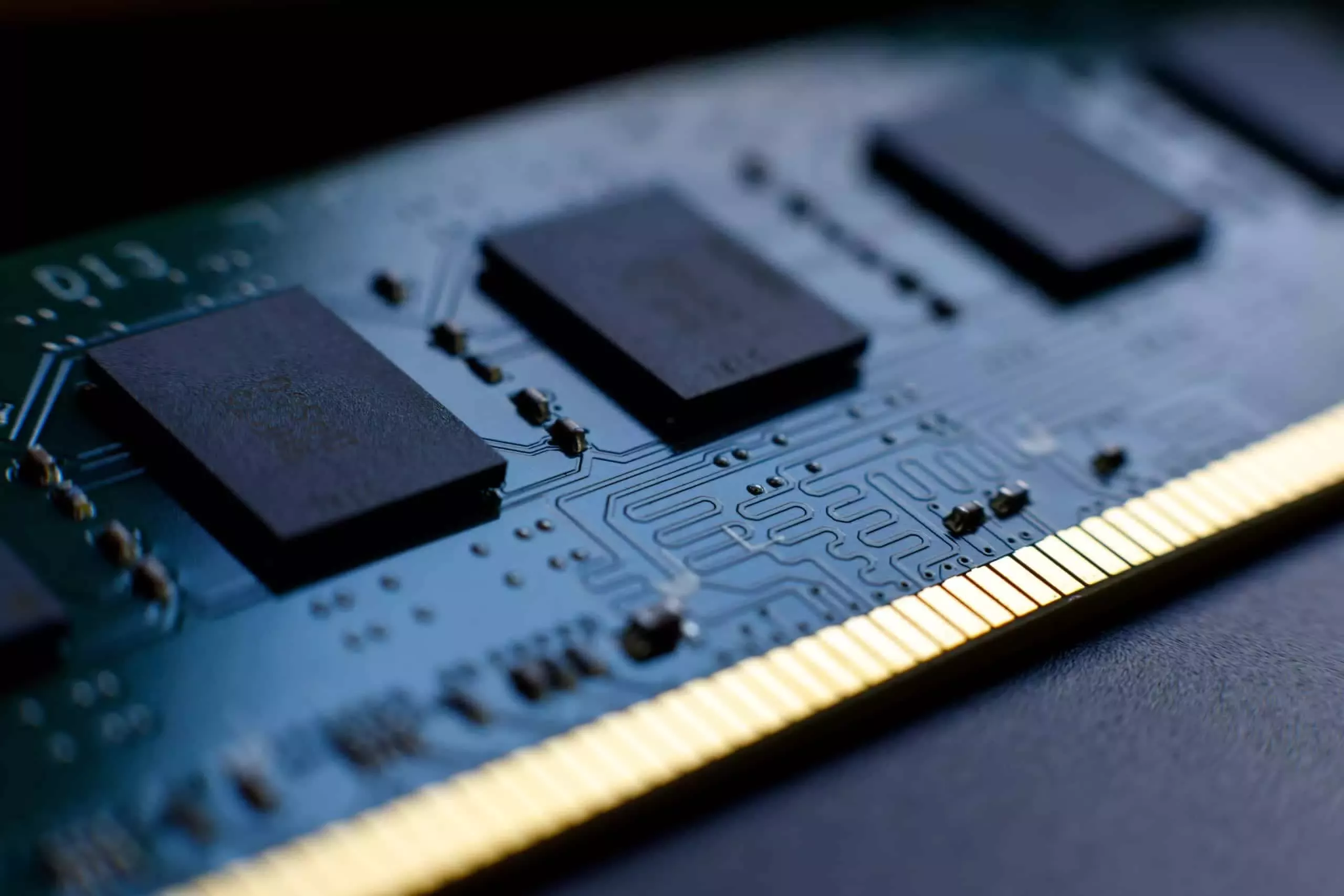
The big picture: The AI boom has consumed most of the tech industry’s RAM supply, driving up prices and making consumer electronics less affordable. Recent comments from Sam Altman, arguably the man most responsible for sparking the boom, portray the situation as a conflict between cloud and local computing, and he clearly favors the cloud.
In an interview on YouTube channel Cheeky Pint, OpenAI CEO Sam Altman argued that it would be more efficient to direct the world’s dwindling storage supply to AI data centers rather than local devices. The comments sparked immediate backlash as hardware prices continue to rise.
About 29 minutes later, Altman says it’s “pretty terrible” for DRAM to be included in consumer hardware, where it might only be used 5% of the time. Because data centers run their hardware near-constantly, they can bring global supply closer to full capacity, he argues.
Altman specifically mentioned PCs with local AI capabilities and open source LLMs. Devices like Microsoft’s Surface Laptop Ultra can ship with up to 128GB of unified RAM to support local AI workloads, including open source models like DeepSeek, which OpenAI sees as competition.
However, given the broader impact of the AI boom on consumer devices, Altman’s claim could be seen as an attack on the idea of owning hardware. Many fear that the companies driving the AI boom will ultimately want owners to become tenants of cloud services running on AI data centers.
The data center expansion has increased DRAM costs fivefold since last year and pushed consumer hardware prices to prohibitive levels. Gaming consoles are approaching $1,000, dragging down sales. For similar reasons, PC shipments have also fallen significantly this year, contributing to Intel’s worst share price decline in decades.
— Jaydeep (@_jaydeepkarale) October 31, 2026
Meanwhile, high-end graphics cards like Nvidia’s RTX 5080 and 5090 appear to have disappeared from shelves after astronomical prices. Even cameras could become more expensive due to a lack of RAM, says Canon.
Memory makers disagree about how long the shortage will last. SK Hynix estimates that current conditions will continue beyond 2030, while Micron recently claimed that humanoid robots could keep demand high when the AI bubble bursts (which may already be happening).
However, Acer’s CEO accuses memory manufacturers of wanting to prolong the situation to maximize profits and believes that prices could fall as early as next year.
