An agent gateway extends identity security beyond deciding who gets through the front door to controlling what autonomous AI agents do once inside. By standing in the way of attempted actions, the gateway can force authorization decisions at runtime.
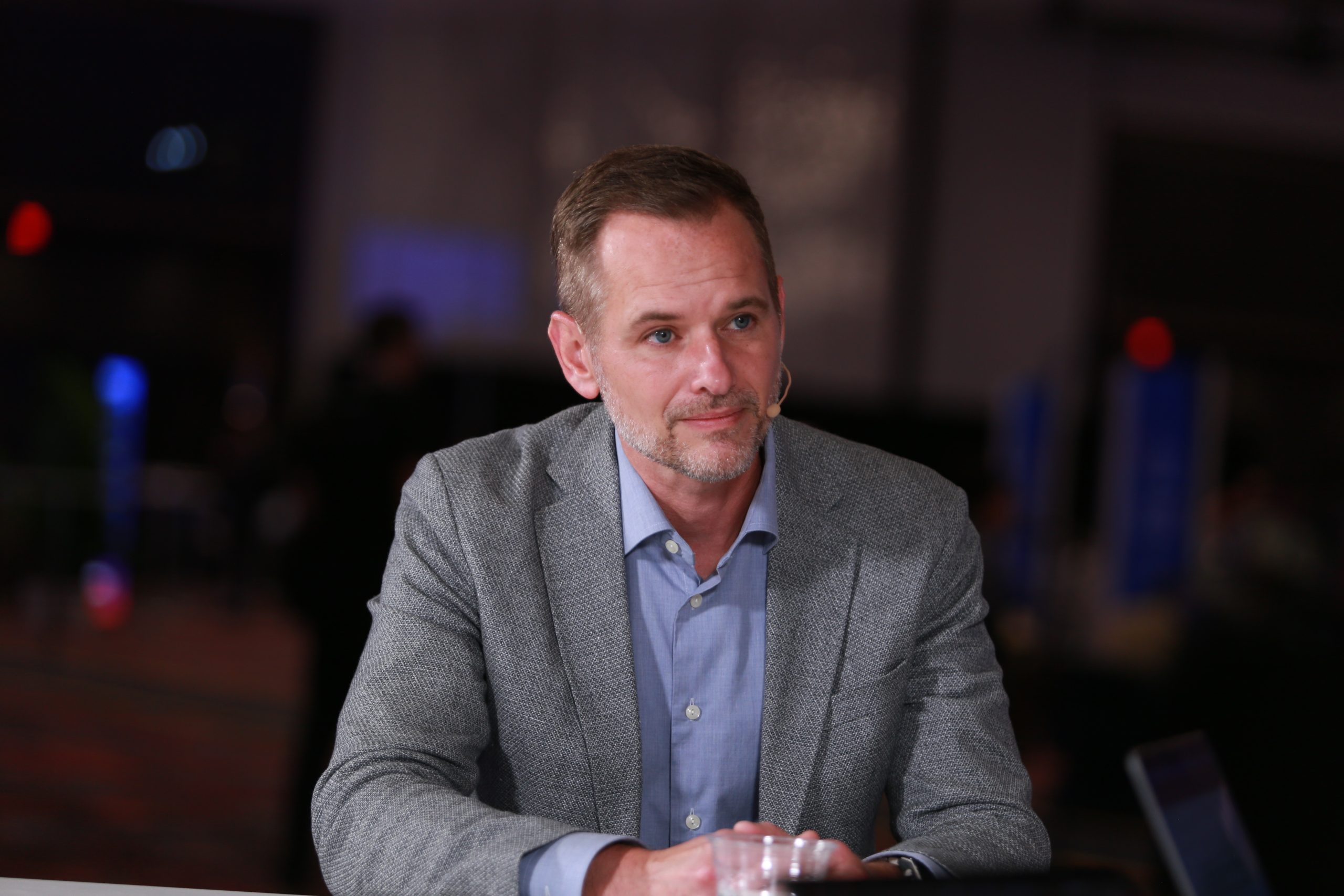
Okta Inc. recently launched an AI agent runtime gateway as part of its broader approach to securing autonomous systems. According to Ric Smith (pictured), president of products and technology at Okta, the architecture marks a new role for the identity provider.
“This is a very different transition for Okta,” he said. “Essentially, we haven’t been inline. So moving in that direction means we can make a lot more decisions about what we authorize.”
Smith spoke with Krista Case of theCUBE Research and co-host Rebecca Knight at Okta’s Oktane event during an exclusive broadcast on theCUBE, SiliconANGLE Media’s livestreaming studio. They discussed runtime threat detection, intent-based authorization, and how Okta continues to expand into cybersecurity. (*Disclosure below.)
Why an agent gateway brings Okta into the runtime path
The inline feature also allows Okta to look for threats rather than simply granting permissions. That logic was the catalyst for the company’s acquisition of Permiso Security, which Smith said is adding detection capabilities as Okta continues to expand into cybersecurity. However, to gain complete insight into an agent’s behavior, both the prompt entered into the model and the actions it suggests must be observed.
“You really have to sit in two positions around these models,” he said. “One is at the front end of the model, so you can capture the conversation that’s being presented. Then, based on the gateway that we’ve already announced, we’re already sitting at the back end of the model, where we can capture all the actions that the model ultimately wants to take and then make decisions about that as well.”
The combination of these considerations could allow Okta to assess whether a proposed action should be taken, Smith explained. In 2027, the company plans to add intent-based authorization to its agent gateway, which leverages an agent’s context and approved tools to make access decisions. The question of how tightly these permissions should be limited without blocking legitimate work remains an open research question.
“It’s a difficult problem to solve, and that’s why we’re working hard to do all the research on it,” Smith said. “But we think that, given what actually needs to happen to the agent workforce, this is a mess.”
Here’s the full video interview, part of SiliconANGLE and theCUBE’s coverage of Okta’s Oktane event:
(*Disclosure: TheCUBE is a paid media partner for Okta’s Oktane event. Neither Okta Inc., the sponsor of theCUBE’s event coverage, nor any other sponsors has editorial control over theCUBE or SiliconANGLE content.)
Photo: SiliconANGLE
Support our mission to keep content open and free by interacting with theCUBE community. Join theCUBE Alumni Trust Networkwhere technology leaders connect, share information and create opportunities.
- Over 15 million viewers of theCUBE videosto spark conversations about AI, cloud, cybersecurity and more
- Over 11.4k theCUBE alumni — Connect with more than 11,400 technology and business leaders shaping the future through a unique, trusted network
Founded by tech visionaries John Furrier and Dave Vellante, SiliconANGLE Media has built a dynamic ecosystem of industry-leading digital media brands, reaching over 15 million elite tech professionals. Our new proprietary theCUBE AI Video Cloud is a game-changer in audience engagement, leveraging the theCUBEai.com neural network to help technology companies make data-driven decisions and stay at the forefront of the industry conversation.