In context: Pilot projects have shown that underwater data centers can operate reliably and without significant heat dissipation problems. However, underwater environments support fragile ecosystems that could be seriously disrupted by artificial computing infrastructure.
Earlier this year, DeepGreen Holdings submitted a preliminary approval application to the Federal Energy Regulatory Commission (FERC). The company wants to develop two data center projects that would take advantage of the underwater environment, but the proposed locations overlap with the habitats of two endangered whale populations. Local communities have also expressed strong opposition to the projects.
DeepGreen plans to build its facilities below Cook Inlet, in Alaska and in the Gulf of Maine. The proposed Cook Inlet facility would consist of 66 modular data center “pods” powered by 330 to 350 tidal turbines. The company expects the facility to generate 100 megawatts of electricity, most of which will be used to power the underwater data center.
The Maine project would be smaller, with 50 tidal turbines providing 51 megawatts of power to a group of data center pods. Both projects could impact the habitats of two different endangered whale populations. Cook Inlet is home to a genetically isolated population of beluga whales, while the Gulf of Maine serves as a feeding area for North Atlantic right whales.
The Cook Inlet beluga population numbers approximately 300 individuals, while fewer than 400 North Atlantic right whales remain in the population relevant to the Maine project. Whales rely on echolocation to navigate underwater environments, find food, and communicate with each other. The planned data centers could impact their surroundings both during the construction phase and after the facilities are operational.
According to Arial Brewer, a beluga researcher at the University of Washington and the National Oceanic and Atmospheric Administration, “terrible” animals like whales could experience stress in different and unpredictable ways because of the proposed underwater data centers.
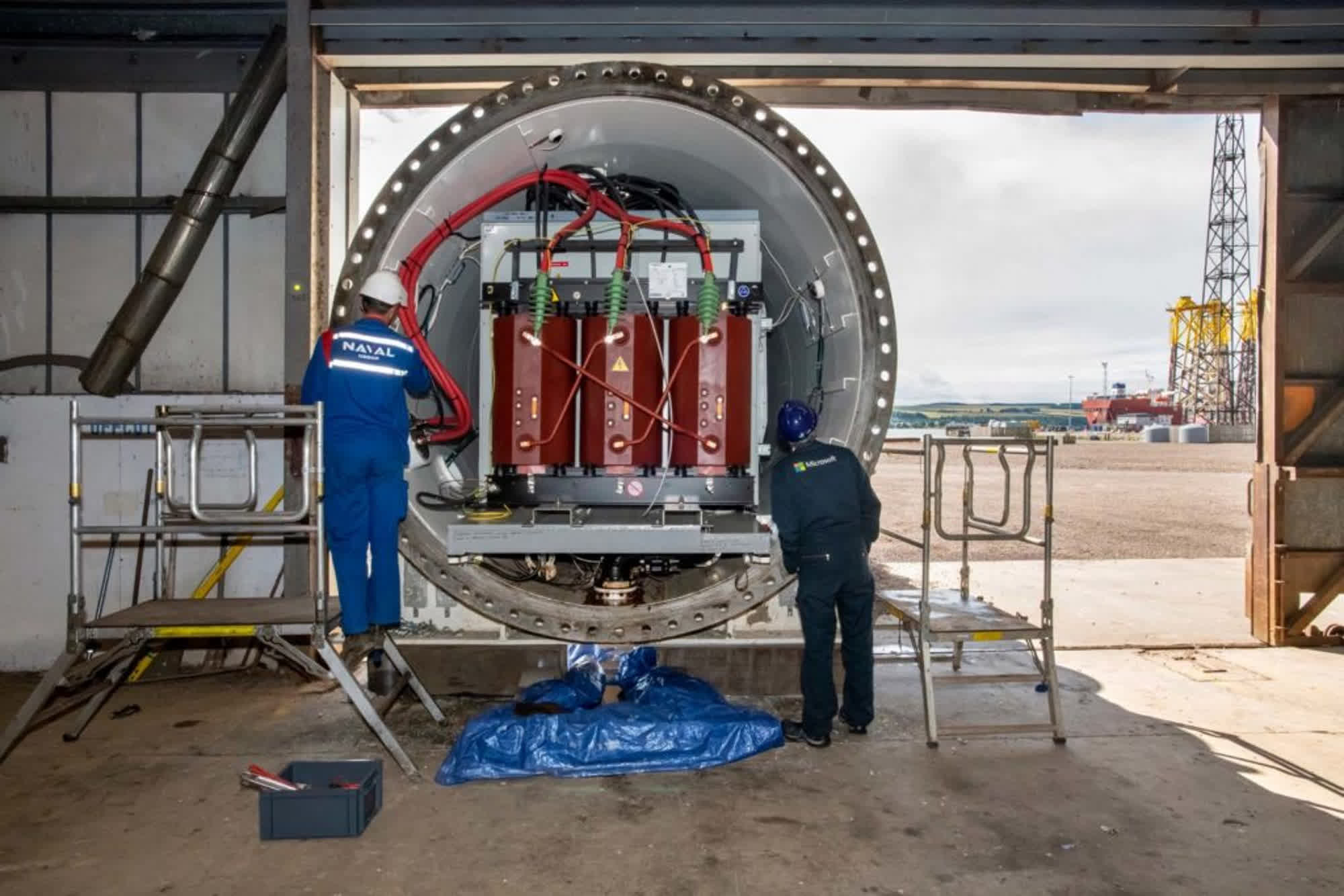
DeepGreen’s plans are unprecedented in both the scope and scope of the areas they could affect. Pilot projects such as Microsoft’s Project Natick have shown that underwater data centers can support reliable computing operations without significant overheating issues. Seawater helps dissipate heat and potentially limits some of the environmental impacts associated with cooling.
However, no one has yet attempted a project on the scale that DeepGreen is proposing. There are currently only two known operational undersea data centers, and both are located in Chinese waters. The proposed U.S. facilities would be significantly larger, leaving little directly comparable evidence of their potential environmental impacts.
Construction has not started yet. FERC representative Celeste Miller said a preliminary permit does not authorize construction of a project. The commission also asked DeepGreen to amend its original proposal because it did not provide sufficient documentation on indigenous tribes with historical ties to the affected areas.
According to real estate developer Louis Wolfson, who is behind DeepGreen, the company has no immediate plans to begin construction. He said DeepGreen was prepared to meet all requirements to protect the local environment, adding that equipment would only be used if it could operate “safely and within federal marine mammal limits.”
