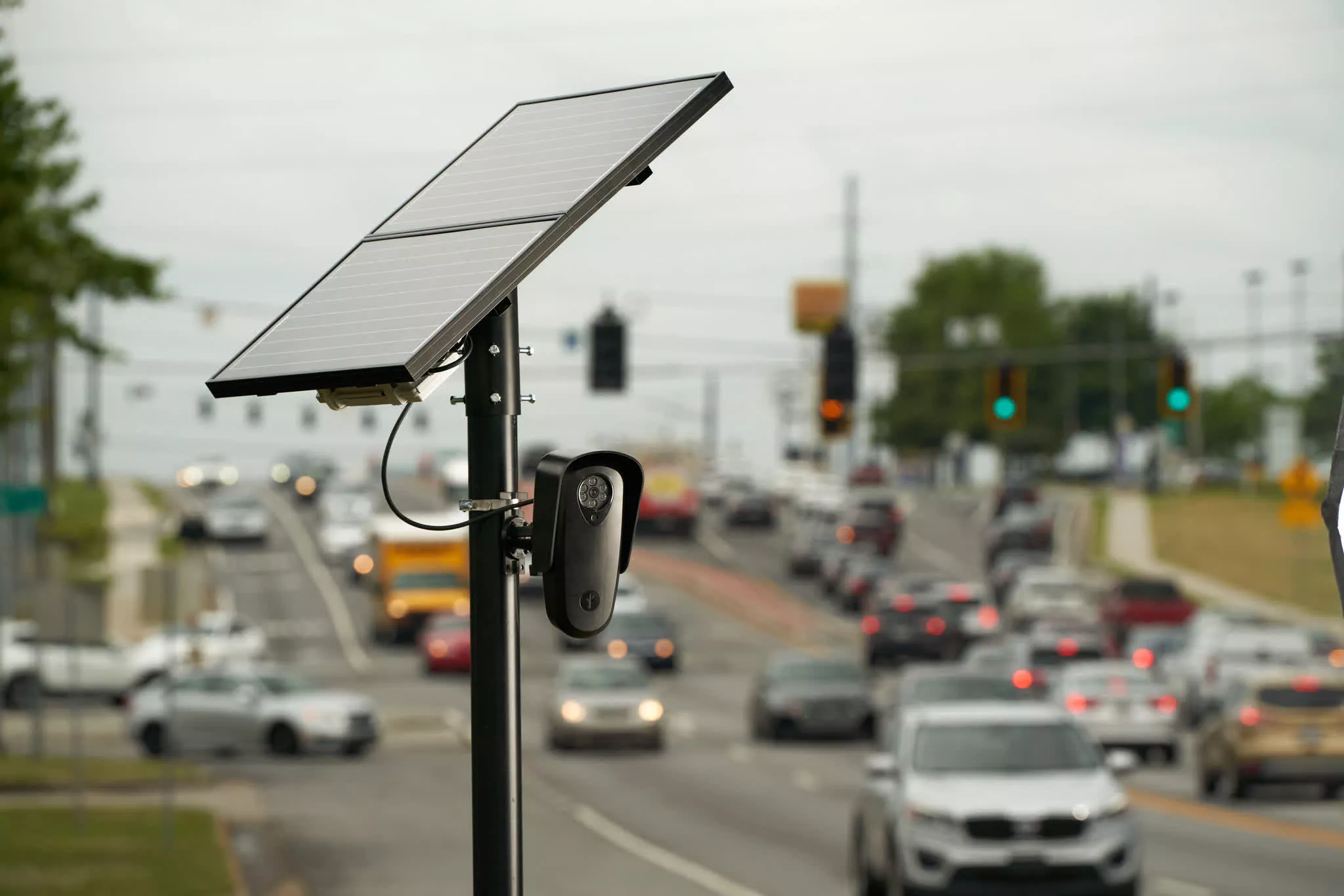
What we know so far: Flock’s AI-powered surveillance cameras have already sparked widespread controversy, even as authorities have fully disclosed their use. Communities across the U.S. are terminating contracts with the company due to concerns about privacy and police abuse. However, in some areas, officers have found more cameras than permitted and don’t always know who is looking through them.
The most recent case of unclaimed flock cameras occurred in St. Lucie County, Florida. When officers began taking down the cameras after the county terminated its contract with the company, they discovered 14 additional cameras that police said did not belong to them.
St. Lucie County’s contract with Flock authorized 52 cameras, but officers found 66. The St. Lucie County Sheriff’s Office eventually admitted that three of the additional automatic license plate readers (ALPRs) were theirs, but did not explain how or why they deployed them without authorization, leaving 11 that no one, including the county’s other two police departments, has claimed.
ALPRs like those from Flock and Axon use AI to read license plates from passing vehicles and automatically sort them into a searchable database that authorities can use to track movements. If the cameras detect license plates related to crimes or investigations (sometimes incorrectly), officers can stop and search the vehicles without a warrant.
Apparent concerns about mass surveillance have led hundreds of communities across the US to terminate their contracts with Flock, although the number of new contracts far outnumbers the number of cancellations. Another problem is police abuse – dozens of officers have been caught using ALPRs for stalking. In many places, citizens have made it their mission to destroy the cameras.
St. Lucie County has covered the unclaimed cameras with plastic for now and included notices saying officials will remove them within 30 days, a deadline that could expire between Oct. 16 and Oct. 20. According to the Washington Post, a camera has already mysteriously disappeared.
Worryingly, flock cameras are not necessarily exclusive to police departments and do not always require government approval. While Flock typically handles permit negotiations and installations, private companies can contract with the manufacturer, and a spokesperson confirmed they can place ALPRs in certain locations without permits.
Flock has installed cameras in several other states and municipalities without permits in recent years, some on behalf of unknown customers. When Grass Valley, California, recently removed its ALPRs, Flock reinstalled some of them without informing officials.
In response to the resistance, the company has imposed greater restrictions on searches in police databases. Searches will require case numbers to be entered until the end of the year, but authorities can bypass this step in emergencies. A Florida congressman also recently introduced a bill that would require no-knock warrants for the use of ALPRs.