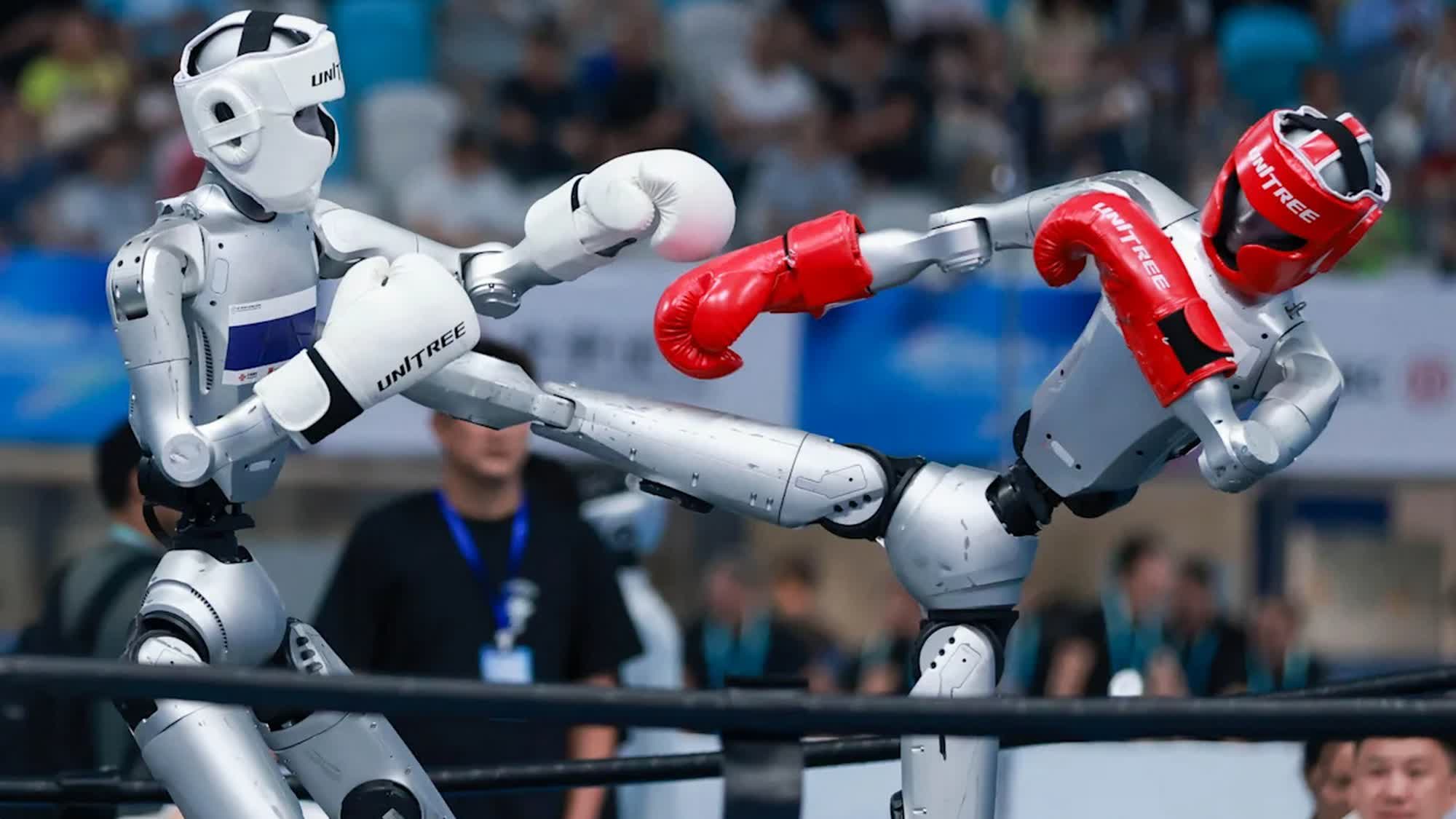
Face palm: With AI demand driving memory prices to record highs, consumers are hoping that a quick end to the AI boom could make RAM affordable again. However, memory maker Micron believes that even if the AI bubble bursts, the rapid growth of humanoid robot manufacturing could keep memory demand high through 2027 and beyond.
In its FY27 earnings forecast, Micron said it expects physical AI and humanoid robots will become even bigger drivers of memory and data storage needs than AI data centers. According to CEO Sanjay Mehrotra, each humanoid robot would require at least around 200 GB of DRAM and several terabytes of storage, which would spur further growth in the semiconductor sector.
— Shay Boloor (@StockSavvyShay) September 30, 2026
Mehrotra also said he expects physical AI demand to increase significantly by the end of the decade, adding that several customers are already testing next-generation memory and data storage products. He had previously claimed that humanoids will drive a “sustained, significant memory demand cycle over several decades” in the coming years.
Meanwhile, Micron’s fiscal 2027 forecast brought more bad news for global technology consumers. Even as the industry plans to expand DRAM cleanroom space at a record pace, the company believes that “robust demand trends, including new upside from customers,” will ensure that the supply-demand mismatch will not be resolved any time soon.
Speaking to CNBC in August, Mehrotra noted that autonomous vehicles are the first big use cases for physical AI, but robots and AI-enabled consumer devices will also drive storage needs in the coming years. “Storage is essential today. That’s why I call it the strategic infrastructure of the AI era,” he said, adding that current demand for memory chips is 50% higher than supply.
Micron isn’t the only company optimistic about the increased use of humanoid robots. According to Morgan Stanley, the sector is poised for exponential growth, with the global market estimated to reach 930 million units worth $5 trillion per year by 2050. In the short term, estimates vary between 250,000 and 1.2 million units per year by 2030.
The AI industry’s insatiable demand for memory chips has driven DRAM prices to unprecedented levels and helped memory makers make record profits. While Samsung and SK Hynix paid their employees huge bonuses from their windfall profits, Micron’s two main unions are now pushing for similar compensation for their members.