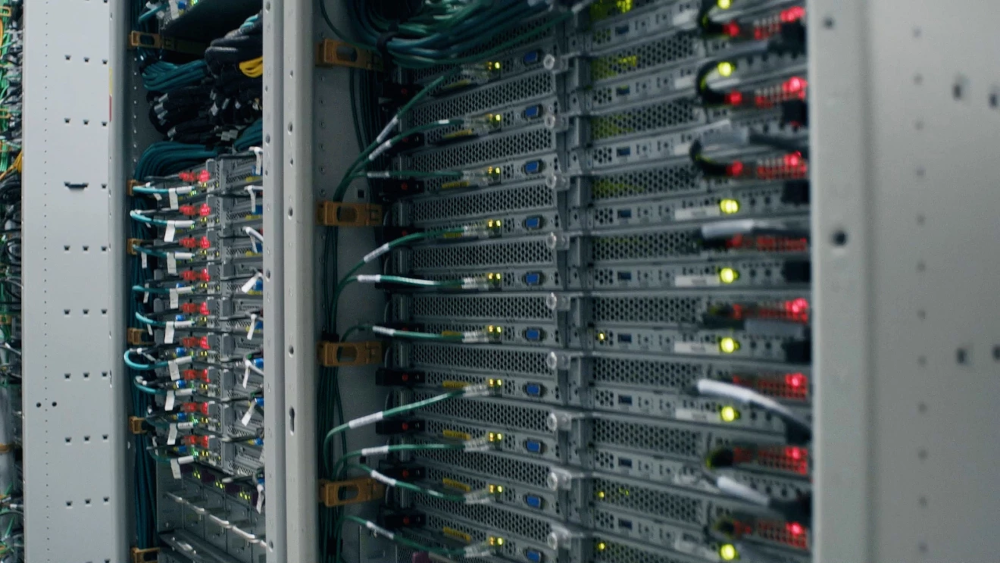
Amazon.com Inc. reportedly plans to outsource some of its artificial intelligence chips and then lease them back.
The Financial Times today quoted Sources said the transaction would be a special purpose vehicle (SPV). An SPV is a type of legal entity that companies set up to streamline the administrative aspects of large businesses. Such vehicles are often independent companies without employees.
Amazon’s plan is to transfer about $8 billion worth of chips to the SPV. From there, the SPV will issue debt capital and a 10% stake to external investors. Amazon has reportedly been in talks with potential backers for several weeks.
The chips at the center of the deal are reportedly Grace Blackwell accelerators. Each of these devices includes two Blackwell graphics processors from Nvidia Corp. and a Grace central processing unit. A custom connection, NVLink-C2C, connects the GPUs and CPU together to facilitate data movement.
Blackwell was Nvidia’s flagship AI accelerator until last March. This month, an enhanced version called Blackwell Ultra was introduced that offers more storage. Nvidia’s current flagship GPU, the Ruby, is several times faster than both chips.
Amazon in August agreed to purchase 2 million additional GPUs from the chip manufacturer by 2028. The deal includes Blackwell Ultra, Rubin and an upcoming accelerator called Rubin Ultra, scheduled to launch next year.
Modal Inc., a venture capital-backed AI infrastructure provider, Estimates that a Grace Blackwell accelerator costs between $60,000 and $70,000. Given the expected $8 billion price tag for Amazon’s SPV deal, this suggests the company intends to offload between 114,000 and 133,000 chips.
The accelerators will be installed in five Amazon data centers. Some of the accelerators are owned by the company, others are rented. Amazon reportedly plans to continue using the chips after offloading them by signing a leasing agreement.
Transferring the chips to an SPV would remove them from Amazon’s balance sheet. Perhaps more importantly, it would also eliminate the debt the SPV reportedly plans to take on.
Removing debt from a company’s balance sheet improves its debt-to-equity ratio, a metric that influences a company’s creditworthiness. A company’s creditworthiness, in turn, influences its ability to borrow and the cost of doing so.
The Wall Street Journal recently reported that Amazon, Google LLC and seven other tech giants have a combined $3 trillion in off-balance sheet liabilities. Much of this debt is associated with AI infrastructure projects. Meta Platforms Inc., for example, sold an 80 percent stake in its flagship Hyperion data center campus to an investment firm.
Tech giants are also optimizing the financial structure of their AI deals in other ways. On Wednesday the New York Times reported that Meta has claimed billions of dollars in innovation tax credits by characterizing its AI data centers as experimental projects.
Photo: AWS
Support our mission to keep content open and free by interacting with theCUBE community. Join theCUBE Alumni Trust Networkwhere technology leaders connect, share information and create opportunities.
- Over 15 million viewers of theCUBE videosto spark conversations about AI, cloud, cybersecurity and more
- Over 11.4k theCUBE alumni — Connect with more than 11,400 technology and business leaders shaping the future through a unique, trusted network
Founded by tech visionaries John Furrier and Dave Vellante, SiliconANGLE Media has built a dynamic ecosystem of industry-leading digital media brands, reaching over 15 million elite tech professionals. Our new proprietary theCUBE AI Video Cloud is a game-changer in audience engagement, leveraging the theCUBEai.com neural network to help technology companies make data-driven decisions and stay at the forefront of the industry conversation.