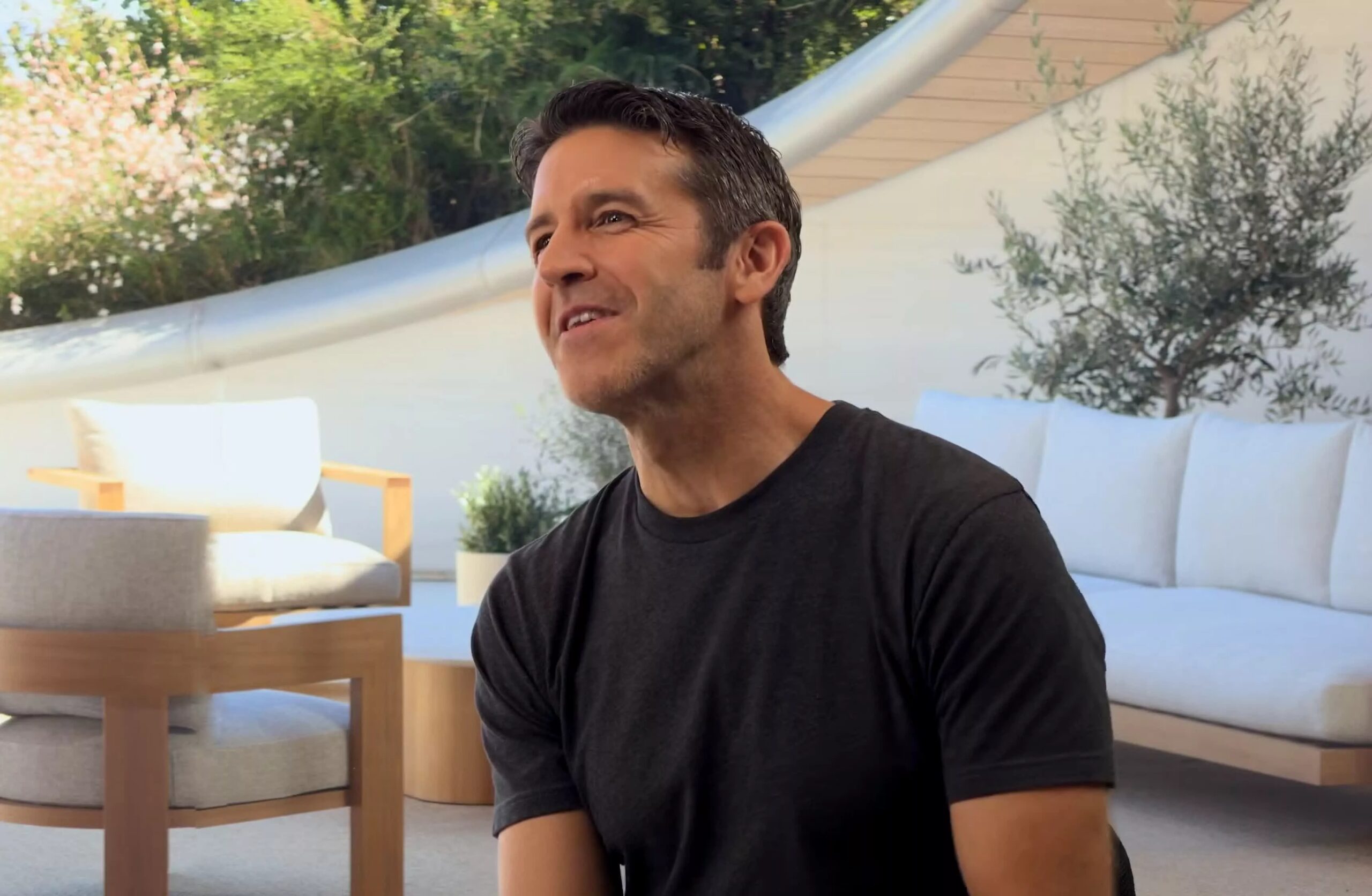
The takeaway: John Ternus took over as Apple’s CEO in early September, and a recent report hints at how his reign may differ from Tim Cook’s. The new CEO reportedly wants to reduce headcount, generate more revenue from services and change the company’s traditional hardware release cycle.
Sources have informed Bloomberg that Apple may move to a more aggressive hardware release schedule under its new boss. John Ternus wants to transform the Cupertino giant into a leaner company to address the ongoing memory shortage and compete in the AI space with the likes of Microsoft, Meta and Google.
The former hardware chief, who succeeded Tim Cook on September 1, wants to move away from Apple’s traditional spring and fall release schedule and instead release products year-round. While some within the company expect the transition could take years, Ternus also wants future products to be more experimental.
Part of the new approach will mean streamlining by eliminating some middle management positions to speed up communication between on-site engineers and top executives. One source described the situation under Ternus as “hectic” and more aggressive.
Some engineering program managers, including half a dozen directors, already have a few weeks to find new jobs at Apple or will be laid off at the end of this year. Affected programs include the development of the Vision Pro headset, Siri and other AI-related software. The company nearly replaced 5,000 AppleCare customer service representatives with AI, but ultimately changed its mind.
Apple’s product roadmap for the near future is already pretty busy. Over the next year, the company is expected to release game controllers under its Beats brand, the iPhone 18, the iPhone Air 2, the iPhone 18e, an updated iPad lineup, new Apple Pencils, a new HomePod mini, an updated Apple TV, and several new Mac devices, some of which feature the line’s first touchscreens. This follows a year that has already seen the unveiling of the iPhone 18 Pro, Apple’s first foldable phone, the AirPods 5 and a Mac mini that debuted the M6 processor.
Meanwhile, the new CEO also wants to generate more revenue from services like iCloud, Apple TV Plus and other subscriptions. The sector has been a key growth driver for Apple, but its importance may increase given the RAM crisis. Like virtually every other hardware maker, the company has already raised prices to offset higher component costs, but is looking for new revenue streams to avoid making its core products too expensive.