Chinese researchers recently developed a new bamboo-reinforced plastic that is 81 percent stronger and 173 percent more durable and could be used to shield electronic devices from unwanted electromagnetic waves.
The groundbreaking material was developed by a group of scientists from Anhui Agricultural University in Hefei. According to the team, the new composite does not primarily reflect electromagnetic waves. In contrast, it absorbs most of the incident radiation and reduces secondary interference.
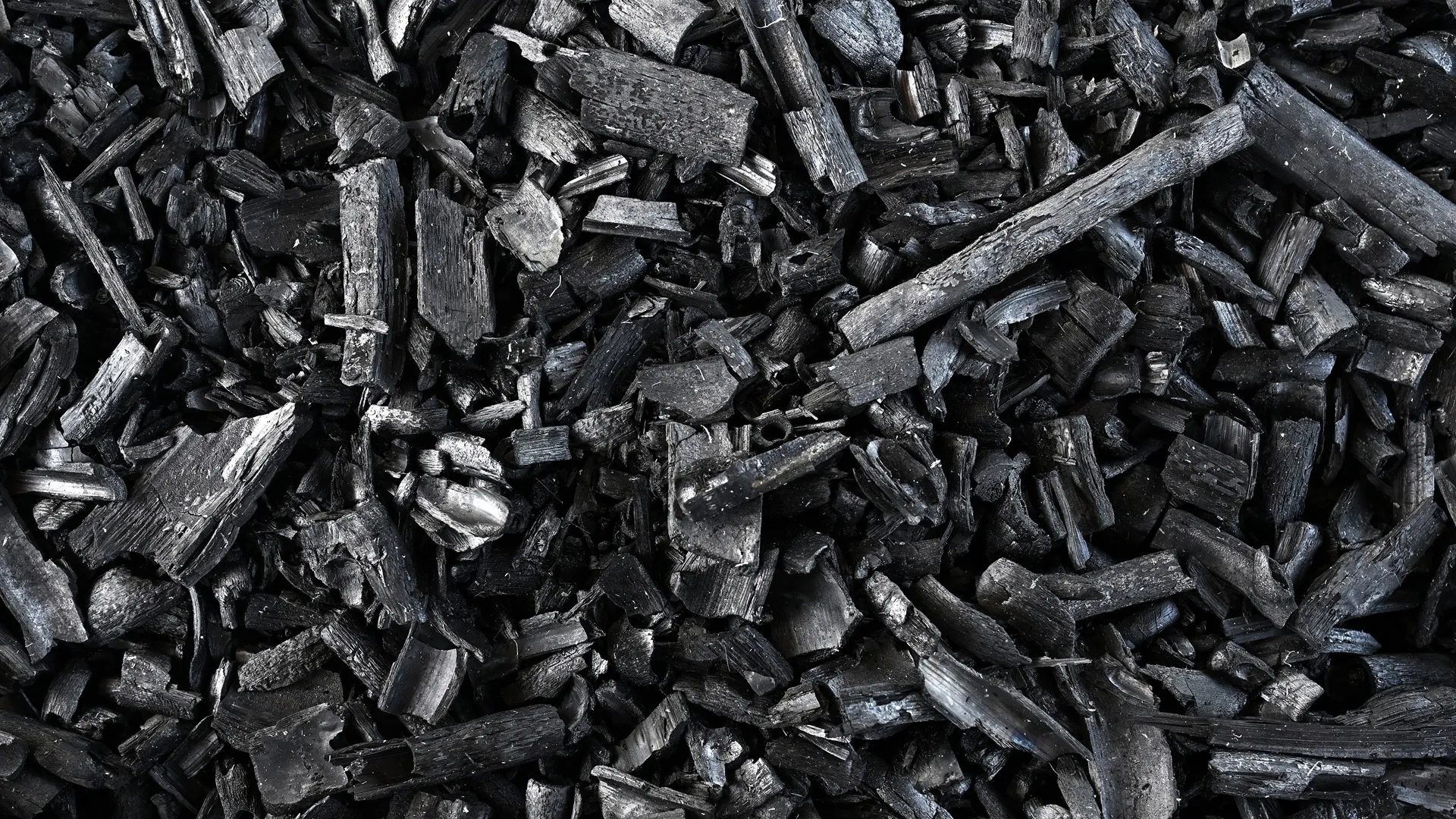
To create the novel composite, the team used bamboo biochar, a carbon-rich substance made by heating bamboo in an oxygen-depleted environment. This process is called pyrolysis.
The researchers are confident that the material could protect smartphones, laptops and other electronic devices from electromagnetic interference. “By combining electromagnetic protection with mechanical performance in a biochar-based material, the design could guide the development of components for electronic devices and other applications that require durable shielding,” the team said.
How bamboo blocks waves
Electromagnetic interference (EMI) is unwanted noise or interference that disrupts electrical circuits. Usually caused by an external source, it has become a growing problem for electronics manufacturers.
However, traditional conductive shielding materials often reflect incoming waves and create additional interference. To address this challenge, scientists turned to bamboo biochar, a carbon-rich material created by heating bamboo biomass with little to no oxygen.
Biochar could reportedly serve as a renewable replacement for traditional conductive fillers. However, its low conductivity and poor adhesion with plastics can limit its performance.
To produce biochar, the researchers first heated bamboo powder under nitrogen. They then applied flash joule heating (also known as ohmic or resistance heating), which uses a short burst of current to modify the carbon structure.
They then treated the particles with APTES, a chemical used to improve bonding with plastics. The modified biochar was then sandwiched between layers of two biodegradable plastics, polylactic acid (PLA) and polybutylene adipate co-terephthalate (PBAT), creating pathways that can absorb and weaken electromagnetic waves.
Stronger, more durable plastic
For the study, the team compared plastics containing untreated, flash-heated and chemically modified biochar with a non-layered version. Laboratory tests showed that the optimized composite achieved a tensile strength of 25.5 megapascals (MPa). His strength increased by 81 percent.
At the same time, its toughness increased by 173 percent to 2.68 megajoules per cubic meter, while its ability to stretch before fracture more than doubled from 11.5 percent to 24.7 percent. The material also conducted electricity much better. Its conductivity was 12.8 siemens per centimeter, while the version with untreated biochar only reached 1.7.
Further testing found that the material blocked electromagnetic interference by an average of 36.7 decibels (dB) at frequencies of 8.2 to 12.4 gigahertz (GHz). In contrast, an unlayered composite material with the same amount of filler only achieved 7.5 decibels.
In addition, most of the shielding came from the absorption of electromagnetic waves (30.8 dB), while the reflection was only 5.9 dB. The scientists believe that the carbon network and carbon layers forced the electromagnetic waves to travel longer distances through the plastic.
The study was published in the scientific journal Sustainable carbon materials.