The U.S. War Department has awarded Amprius Technologies a grant of up to $75 million to convert an existing electric vehicle battery production line into a high-volume drone battery manufacturing facility.
The Fremont, California-based battery maker plans to retrofit a U.S.-based electric vehicle battery line operated by a major South Korean manufacturer. The converted facility will produce high energy density cells designed for unmanned aircraft systems.
Once completed in early 2028, the production line will have a capacity for 12 million Amprius cells per year. The cells are intended to meet domestic procurement requirements under the National Defense Authorization Act.
The entire renovation project is expected to cost around $100 million. This figure includes the federal subsidy as well as material investments from Amprius and its unnamed South Korean production partner.
EV Line Switches Missions
The grant is provided through the Industrial Base Analysis and Sustainment program, which supports domestic manufacturing capabilities deemed important to U.S. national defense.
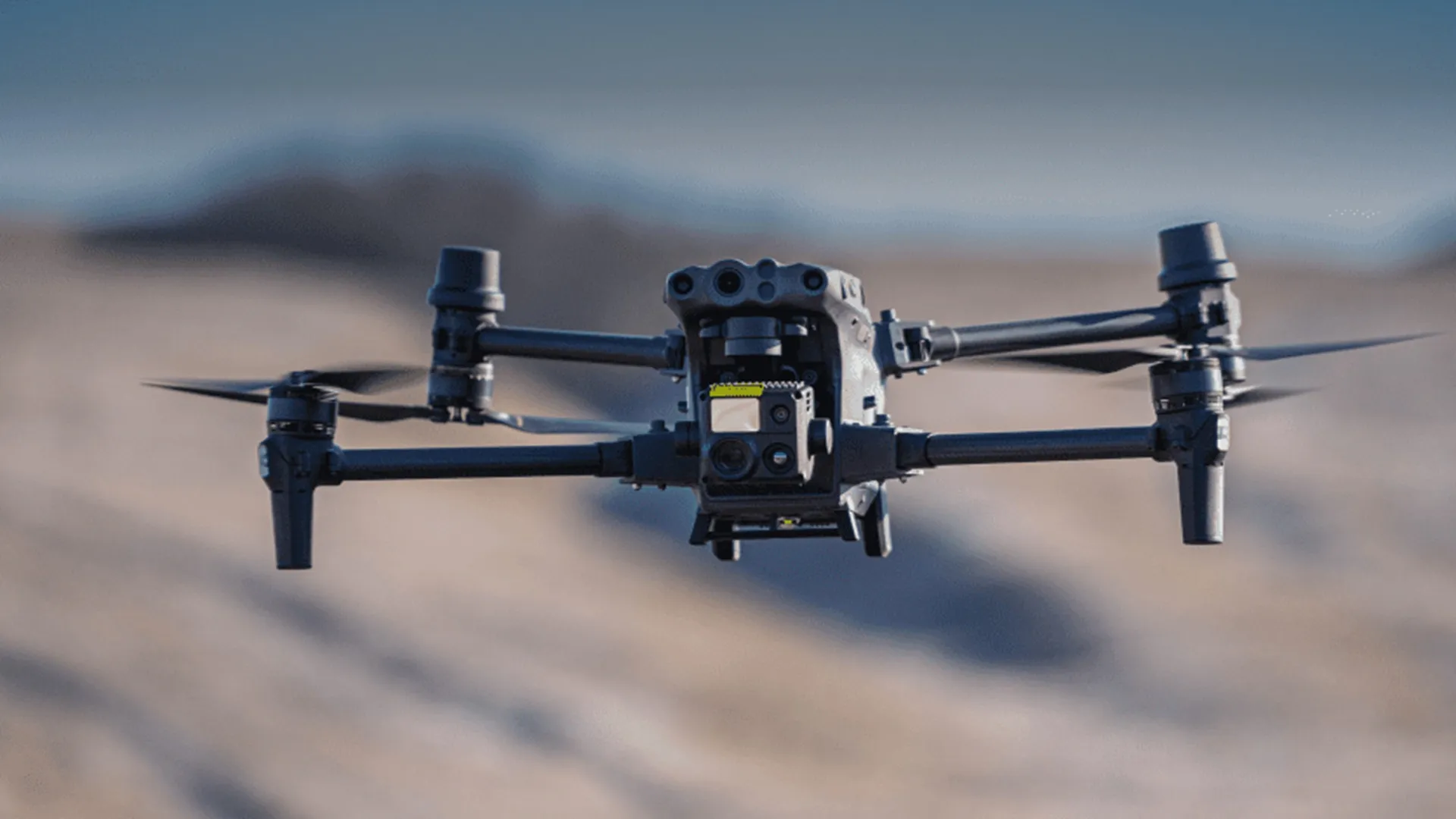
The project’s focus is on batteries for Groups 1, 2 and 3 unmanned aerial systems. These categories include smaller military drones, from light man-portable aircraft to larger tactical systems.
Amprius develops lithium-ion batteries using silicon anode technology. According to the company, its cells can deliver up to twice the energy density, range and flight time of traditional graphite-based cells.
A higher energy density is particularly useful for drones, as the batteries must offer sufficient power and endurance without becoming excessively heavy. More energy stored in the same battery mass could potentially extend flight time or allow an aircraft to carry additional payload.
“This DoW grant is intended to create a primary source for domestic, NDAA-compliant battery production,” said Tom Stepien, CEO of Amprius.
“Our technology, combined with the U.S. manufacturing expertise of our South Korean manufacturing partner, enables us to accelerate the introduction of standardized high-performance pouch cells in a rapidly growing market.”
Drone battery performance scales
The converted production line will complement Amprius’ existing production network in the US, South Korea and China. The company uses contract manufacturers to increase battery production without building every factory itself.
The new US capacities are also intended to give defense customers access to domestically sourced pouch cells in significantly higher quantities. Amprius said the project will expand its ability to supply NDAA-compliant batteries to key customers.
However, the award is subject to several conditions. Amprius said much of the grant is not yet funded and depends on future state funding. Payments are also contingent on the company meeting certain milestones and receiving approval from the U.S. government.
The project also relies on third parties, including its manufacturing partner, to achieve production and development goals. Amprius warned that delays or difficulties with these partners could affect the planned schedule.
If completed on schedule, the converted electric vehicle battery line would provide large-scale domestic production capacity for Amprius’ high-energy cells in early 2028.